

The Benefits of Seeking Care at a Specialized Vein Clinic
July 29, 2026
Facts You Should Know About Herniated Discs
July 29, 2026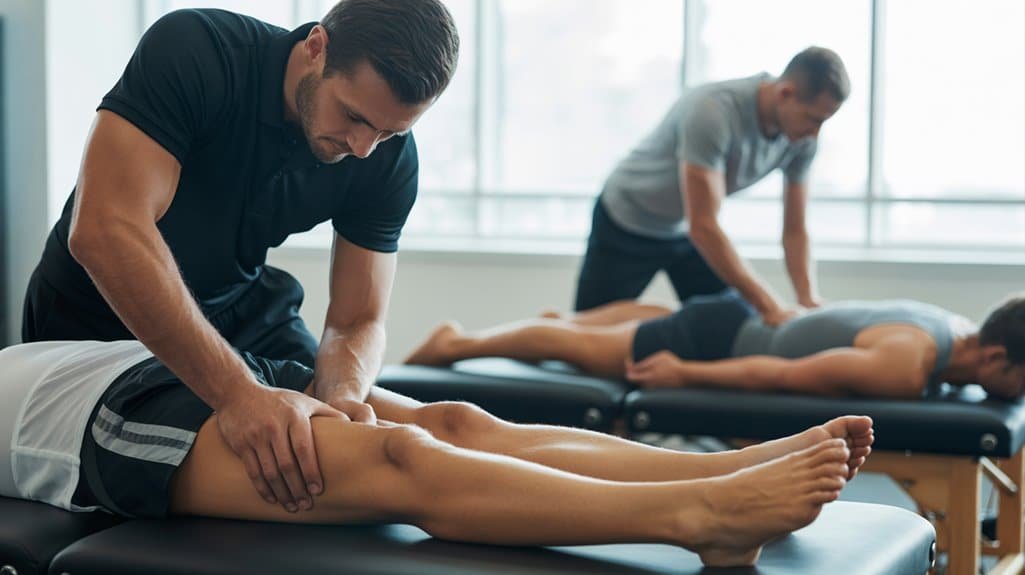
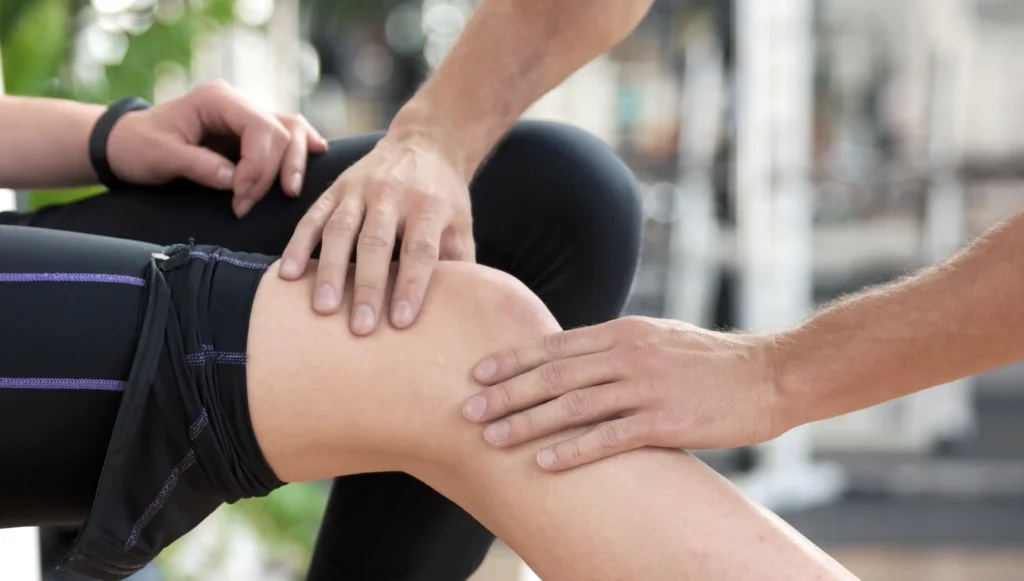
Sports injuries are physical injuries that happen during athletic activity, and they can affect muscles, bones, joints, ligaments, and tendons. These injuries range from mild strains to more serious fractures or tears. Recovery is the gradual process of restoring the affected area to its normal function. It typically moves through distinct phases, each with its own goals and timelines. Understanding how this process works can help you set realistic expectations and follow the guidance of a healthcare provider.
Understanding Types of Sports Injuries
Sprains and strains are among the most frequent sports injuries. A sprain affects the ligaments that connect bones, while a strain involves muscles or tendons. Both can happen during sudden movements or overextension. Other common injuries resulting from repetitive stress or direct impact include:
- Fractures
- Dislocations
- Tendon tears
Sports injuries occur for several reasons. Poor conditioning, inadequate warm-up, improper technique, and fatigue all contribute to increased risk. Overuse can lead to injury because tissues do not have enough time to recover between activities. Environmental factors, such as uneven surfaces or unsuitable equipment, may also play a role.
Exploring the Initial Recovery Stage
The initial phase usually begins right after the injury occurs, and it often focuses on managing swelling and protecting the affected area from further damage. This period may last several days depending on the severity of the injury. During this stage, activity is typically reduced to allow tissues to begin healing. Rest, elevation, and other basic measures are commonly used to support the body’s early healing response. A healthcare provider can assess the injury and recommend appropriate steps because self-directed treatment sometimes does not address the underlying issue.
Reviewing Later Recovery Expectations
The intermediate phase begins once the initial swelling and discomfort start to subside. At this point, the focus often shifts toward restoring movement and rebuilding strength in the affected area. Guided exercises may be introduced gradually, and these are usually designed to improve flexibility and stability. Athletes often work with professionals, such as physical therapists, who monitor progress and adjust activities as needed.
Patience matters during this stage because rushing back to full activity can increase the chance of reinjury. The length of this phase varies widely, and it depends on the type and severity of the injury along with individual factors. A patient may regress in their healing process. Consistency in physical therapy and exercises helps maintain progress.
Preventing Future Injuries
Preventing future injuries requires a proactive approach. Some effective prevention strategies include:
- Warming up and cooling down: Warming up with dynamic movements increases blood flow to muscles before activity, while cooling down helps the body transition back to rest afterward.
- Building strength and flexibility: Regular conditioning can reduce your risk of injury over time.
- Using correct technique: Improper form places added stress on joints and muscles, increasing the likelihood of injury.
- Wearing suitable footwear and protective gear: The right equipment provides a layer of defense against injury.
- Scheduling rest and recovery days: Overtraining can lead to injury, so balancing effort with adequate recovery supports long-term participation.
Learn More About Sports Injuries
Sports injuries can affect various parts of the body, and they often result from factors such as poor conditioning, overuse, or improper technique. Prevention requires preparation and proper technique. A healthcare provider can evaluate your situation and advise you on techniques to prevent future. If you want to learn more about sports injuries and treatments, consult a healthcare provider near you.