


Dental Implants
August 7, 2026
Understanding How To Prevent Athlete’s Foot
August 11, 2026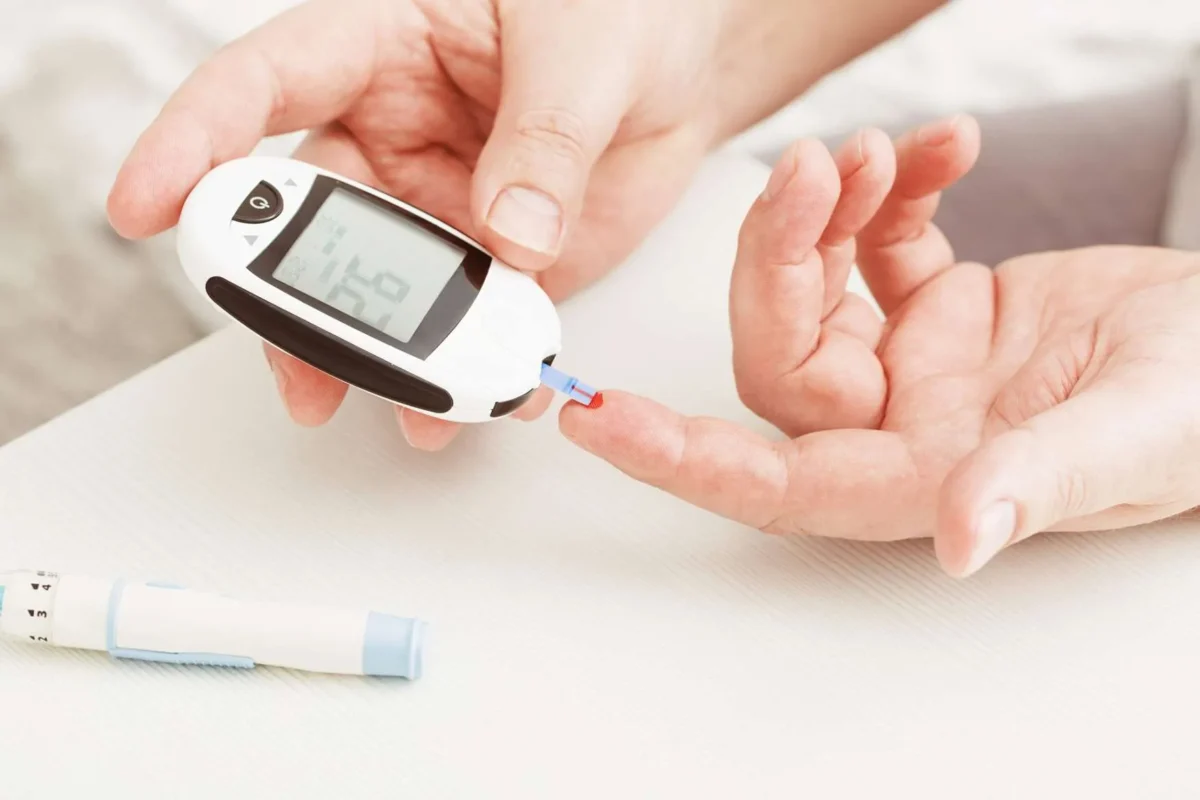
Diabetes is a common health condition, and it affects people of all ages and backgrounds. It relates to how the body manages blood sugar, also known as glucose, which serves as a primary source of energy. Glucose may build up in the bloodstream and lead to a range of health effects over time. Learning the basics of diabetes can help you recognize early signs, understand available diabetes care options, and take practical steps toward managing your well-being.
What Is Diabetes?
Diabetes is a long-term condition that affects the way your body turns food into energy. Much of the food you eat breaks down into glucose, which enters the bloodstream. A hormone called insulin is produced by the pancreas, and it helps move that glucose from the blood into your cells. In people with diabetes, either the body does not make enough insulin, or it cannot use insulin effectively. Glucose remains in the blood rather than fueling the cells as a result.
There are several main forms of the condition. Type 1 diabetes occurs when the body produces little or no insulin, and it often appears earlier in life. Type 2 diabetes, which is more common, develops when the body struggles to use insulin properly, frequently in connection with lifestyle and genetic factors. A third form, gestational diabetes, can arise during pregnancy and often resolves after childbirth. Each type differs in cause and management, but all involve challenges with blood sugar regulation.
What Are the Symptoms?
The signs of diabetes can vary depending on the type and how far the condition has progressed. Some people notice symptoms gradually, and others may experience them more suddenly. Common indicators that people can experience vary, including:
- Frequent urination
- Increased thirst that seems difficult to satisfy
- Unexplained weight changes, most often weight loss
- General lack of energy
- Blurred vision
- Slow-healing cuts or sores
- Numb or tingling sensation in the hands or feet
Type 1 diabetes symptoms tend to develop quickly and intensely, and type 2 diabetes often progresses slowly, sometimes with mild or unnoticed signs for an extended period. Because early symptoms may be subtle, some individuals only learn they have the condition during a routine checkup or blood test. Paying attention to changes in how you feel and discussing them with a professional can support earlier recognition.
How Is It Treated?
Diabetes care generally centers on keeping blood sugar within a target range and reducing the risk of related complications. Treatment plans are tailored to each individual, and they may combine several approaches under the guidance of a medical professional. Lifestyle habits, like establishing a balanced eating pattern and regular physical activity, can help support steady blood sugar levels.
Monitoring glucose, either with a home device or through lab testing, helps people track how their body responds over time. Medication is another common element of care. Some individuals with type 2 diabetes take medications that help the body use insulin or manage glucose; people with type 1 diabetes, and some with type 2, rely on insulin therapy delivered through injections or an insulin pump.
The specific plan depends on the type of diabetes, as well as the patient’s overall health. Regular follow-up also supports long-term management. Routine checkups allow a healthcare provider to review progress, and they can adjust treatment as needed.
Seek Professional Diabetes Care
Diabetes is a manageable condition, and understanding it is a helpful first step toward taking charge of your health. Because each person’s situation is unique, working with a healthcare provider offers guidance that fits your needs. A provider can evaluate your symptoms, arrange appropriate testing, and explain the options available to you.