


Understanding the Recovery Process From Sports Injuries
July 29, 2026
Dietary Supplements To Support Health Post Gallbladder Removal
July 29, 2026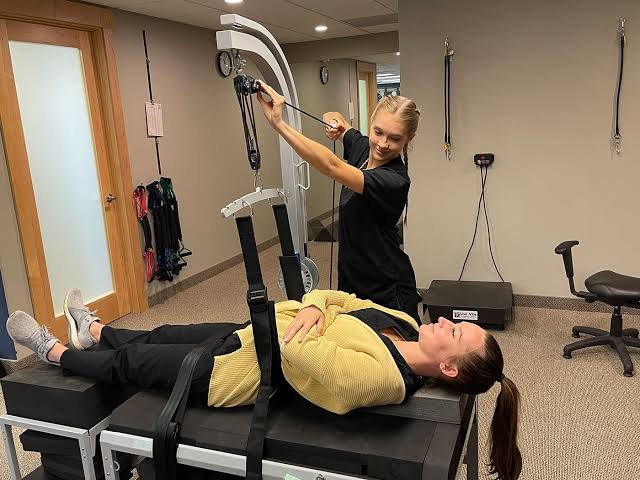
A herniated disc occurs when the soft inner material of a spinal disc pushes through a weakened or damaged outer layer. It often irritates nearby nerves, causing pain, numbness, tingling, or muscle weakness. Here’s a closer look at the key facts you should know about herniated discs:
How Do Discs Herniate?
Your spine holds a series of discs that act as cushions between each vertebra, and these discs absorb shock during daily movement. Over time, wear and tear can weaken the outer layer, and the inner material may slip out through a weak spot. This process often develops gradually, though a sudden strain from lifting or twisting can also trigger it. Age plays a role too, and the discs lose water content as the years pass, which makes them less flexible and more prone to damage.
Certain habits increase the risk of a herniated disc, and repetitive motions or poor posture add stress to the spine. Excess body weight increases the load your discs carry, and smoking may reduce the oxygen that keeps disc tissue healthy. When you know these factors, you can start to identify patterns in your own routine that contribute to a herniated disc.
What Are the Symptoms?
A herniated disc produces different signs depending on its location. The following are common symptoms people may experience:
- Radiating pain: Discomfort may travel from the spine into an arm or leg, and this often follows the path of the affected nerve.
- Numbness or tingling: You may feel a pins-and-needles sensation in the area served by the pinched nerve, which is often intermittent.
- Muscle weakness: The muscles connected to the compressed nerve feel weak, and this can affect your grip or your ability to lift objects.
- Localized ache: A dull or sharp pain can settle in the neck or lower back, and it often worsens with certain movements.
- Pain that changes: Sitting, coughing, or bending may intensify the sensation, though rest sometimes eases it.
These signs vary from person to person, and the intensity can range from mild to severe.
Which Treatments Are Available?
Treatment for a herniated disc depends on the severity of your symptoms, and providers typically start with the least invasive approaches. The goal is to reduce pressure on the nerve and restore comfort. People often respond well to conservative care. Here are two general categories that a provider may discuss with you.
Non-Surgical Approaches
Conservative care is often the first line of treatment, and it may include physical therapy, guided exercise, and rest. A therapist teaches you movements that strengthen the muscles supporting your spine, and this can ease pressure on the disc. Some providers also suggest heat, ice, or over-the-counter options.
Surgical Approaches
When conservative care does not provide enough relief, a provider may recommend surgical options. These procedures aim to remove or repair the portion of the disc that presses on the nerve. The surgeon will explain the specific technique, and the recovery timeline varies depending on the type of surgery and your overall health. A provider reserves this approach for cases where symptoms persist or worsen despite other efforts.
Address Your Herniated Disc Today
A herniated disc can affect your neck or back in ways that disrupt daily life. Conservative treatments, including physical therapy, medications, and lifestyle adjustments, often provide relief for some individuals. When these measures are insufficient, surgical approaches may be recommended to resolve the issue and alleviate symptoms. Understanding your options and seeking timely medical advice is key to managing your condition effectively. To address your herniated disc, contact a qualified pain specialist near you to schedule your appointment today.