



Creating Your Ideal Wellness Spa Experience
July 17, 2026
Understanding the Long-Term Effects of Diabetes on Your Body
July 17, 2026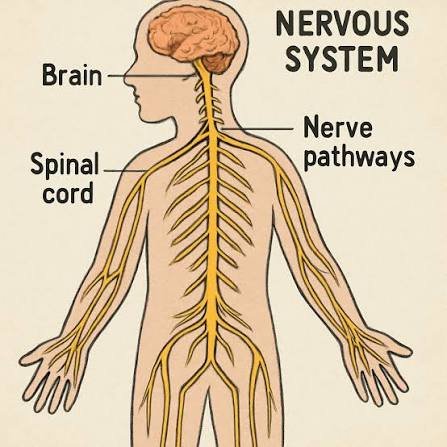
Nerve pain develops when nerves are damaged, compressed, inflamed, or affected by an underlying health condition. Understanding the common triggers can help individuals recognize patterns and seek appropriate care. Here is a closer look at factors that may trigger or worsen nerve pain:
Recognizing Physical Damage
Physical injury is a direct source of nerve pain. A fall, an accident, or repetitive strain can bruise or sever nerve fibers, and the affected nerves send faulty signals long after the injury heals. When you understand how physical trauma affects nerves, you gain a helpful starting point for tracking your discomfort. Here are some potential physical sources of neuralgia:
- Compression injuries: Pinched nerves from herniated discs or narrowed spaces create ongoing signals of pain.
- Trauma and fractures: Broken bones or deep cuts can directly damage nearby nerve fibers.
- Repetitive motion strain: Tasks that repeat the same movement, such as typing, may irritate nerves over time.
These physical factors often overlap with other causes, so it helps to view them alongside your broader health picture.
Identifying Underlying Conditions
Some cases of nerve pain trace back to a health condition rather than a single injury. Diabetes is a common contributor; elevated blood sugar over time can damage the small nerves in your hands and feet. When you manage the root condition, you often influence the nerve symptoms connected to it.
Autoimmune disorders are another category worth understanding. In these conditions, the body’s defense system mistakenly targets healthy tissue, and nerves sometimes fall within that range. Conditions such as multiple sclerosis or lupus can disrupt normal nerve function, and the resulting pain may change over time.
Reviewing Medical Factors
Treatments meant to help one problem can sometimes affect your nerves. Certain chemotherapy drugs carry a known link to nerve damage, and patients may notice tingling or numbness during treatment. When you track these changes and report them, your care team can respond with adjustments where appropriate.
Nutritional gaps are another medical factor; low levels of specific vitamins can weaken nerve health. A vitamin B12 deficiency, for instance, may contribute to numbness or a pins-and-needles sensation. Your diet, absorption, and overall health all influence these levels, and a test reveals them. Surgical procedures occasionally lead to nerve-related effects; scar tissue may press on nearby nerves. Reviewing your full medical history with a professional helps connect these factors to your current symptoms.
Tracking Symptom Aggravators
Daily habits and surroundings may amplify nerve pain, even when they do not cause it. Cold temperatures often heighten sensitivity, and people may experience sharper discomfort during winter months. Stress and fatigue also influence how pain feels; a poor night’s sleep may lower your pain tolerance. Alcohol intake can worsen symptoms for some individuals, while prolonged sitting or standing may add pressure to already irritated nerves. Adjustments in these areas sometimes reduce the pain intensity you experience.
Schedule Your Nerve Pain Evaluation
Managing neuralgia effectively begins with understanding its triggers and adopting strategies to reduce discomfort. Identifying common triggers such as weather changes, physical strain, and lifestyle factors can provide valuable insights into your symptoms. Contact a qualified anesthesiologist near you to schedule your nerve pain evaluation today.