



How Shoulder Pain Can Influence Your Daily Activities
August 6, 2026
Dental Implants
August 7, 2026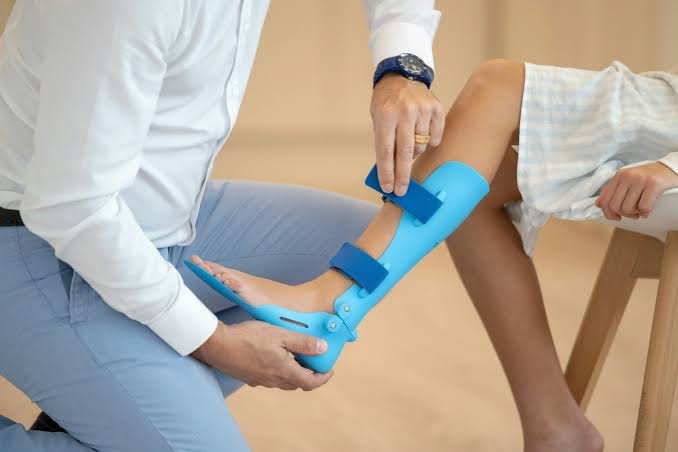
Sprained ankle treatment requires assessing the severity of the injury and restoring strength and mobility. Depending on the extent of the sprain, treatment may include rest, supportive devices, or further medical care. Here is an overview of the process for treating a sprained ankle:
Assessing the Injury
Assessment is the first stage of care, and it helps a clinician understand how serious the injury is. A physical exam usually comes first; the clinician checks for swelling, tenderness, and bruising, and gently moves the joint to test its range of motion. When symptoms point to a deeper problem, imaging such as an X-ray or ultrasound may follow, and these scans help rule out a fracture. A clear assessment guides the treatment plan and choice of sprained ankle treatment.
Grading the sprain is another part of this stage. Clinicians often describe sprains as mild, moderate, or severe, and each level reflects how much the ligaments have stretched or torn. A mild sprain may cause only slight discomfort, while a severe one can limit weight-bearing for weeks.
Managing Early Symptoms
The early phase focuses on calming pain and controlling swelling in the first days after injury. Here are some common approaches for managing early symptoms:
- Rest: Give the joint a break from activities that trigger pain, and avoid putting full weight on it until it feels stable.
- Ice: Apply a cold pack wrapped in a thin cloth for short intervals, which helps limit swelling and numb discomfort.
- Compression: Wrap the ankle with an elastic bandage; the gentle pressure supports the joint and reduces puffiness.
- Elevation: Raise the ankle above heart level when resting to drain excess fluid away from the injury.
- Pain relief: Over-the-counter options may ease soreness, though a pharmacist or clinician can suggest what suits you.
Protecting the Healing Ankle
Once the acute symptoms settle, protection becomes the priority; this stage guards the ligaments while they mend. A clinician may recommend a brace, a splint, or supportive taping. These tools stabilize the joint during everyday movement. Crutches or a walking boot sometimes help when weight-bearing still feels risky, reducing strain on healing tissue.
Gradual movement plays a helpful role during this phase. Staying completely still for too long can stiffen the joint; gentle motion keeps blood flowing to the area. A clinician may recommend light and pain-free movements, and you increase them slowly as comfort grows. Follow the pace your body allows, and avoid rushing back to demanding activity.
Restoring Movement and Stability
The final stage of sprained ankle treatment focuses on rebuilding strength, flexibility, and balance so the ankle can handle daily demands. Rehabilitation exercises guide this process, and a physical therapist tailors them to your needs. Here are some common components that may be included in rehabilitation:
- Range-of-motion work: Gentle stretches restore flexibility, and they help the joint move freely again.
- Strengthening: Targeted exercises rebuild the muscles around the ankle, which support the ligaments during movement.
- Balance training: Standing and stability drills retrain your sense of position, and they lower the risk of future twists.
- Functional activity: Sport-specific or lifestyle-specific movements prepare the ankle for your usual routine.
Explore Sprained Ankle Treatment Options
Recovering from a sprained ankle requires a structured approach that prioritizes rest, healing, and gradual reintroduction of movement. Each stage plays a key role in helping you regain mobility and reducing the risk of reinjury. Consistency and professional guidance are key to promoting a safe and gradual recovery. Contact a qualified podiatrist near you to schedule your appointment and explore available sprained ankle treatment options today.