


The Role of Oral Surgery for Complex Dental Problems
July 28, 2026
The Benefits of Regular Podiatrist Visits for Foot Health
July 28, 2026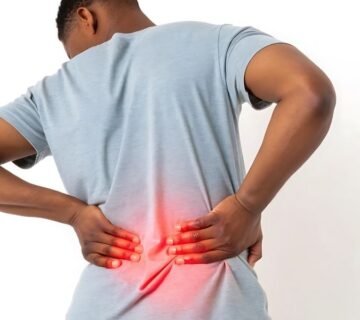
Sciatica refers to pain that travels along the sciatic nerve, which runs from the lower back through the hips and down each leg. This condition can interfere with daily activities such as walking, sitting, and sleeping, and many people find that even simple tasks become difficult during a flare-up. Here is more information about sciatica and the treatments for it:
Reviewing the Causes of Sciatica
A herniated disc is one source of sciatic nerve pressure and sciatica, and this occurs when the soft material inside a spinal disc pushes against the nerve root. The added pressure can trigger irritation that radiates down the leg. Bone spurs, spinal stenosis, and injuries to the lower back may also contribute to the condition. In some cases, the nerve becomes compressed because of a narrowing of the spinal canal, and this narrowing tends to develop gradually over time.
Identifying the Symptoms
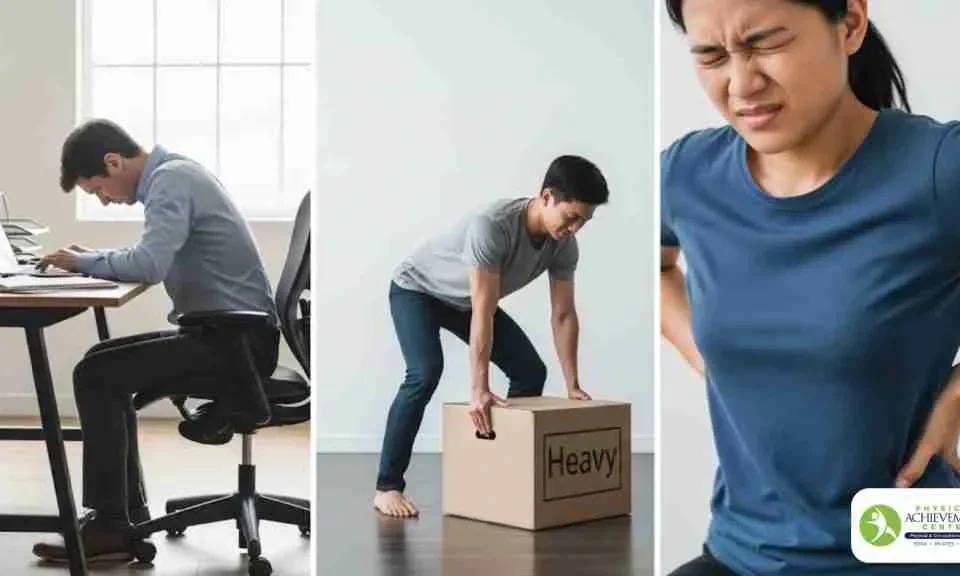
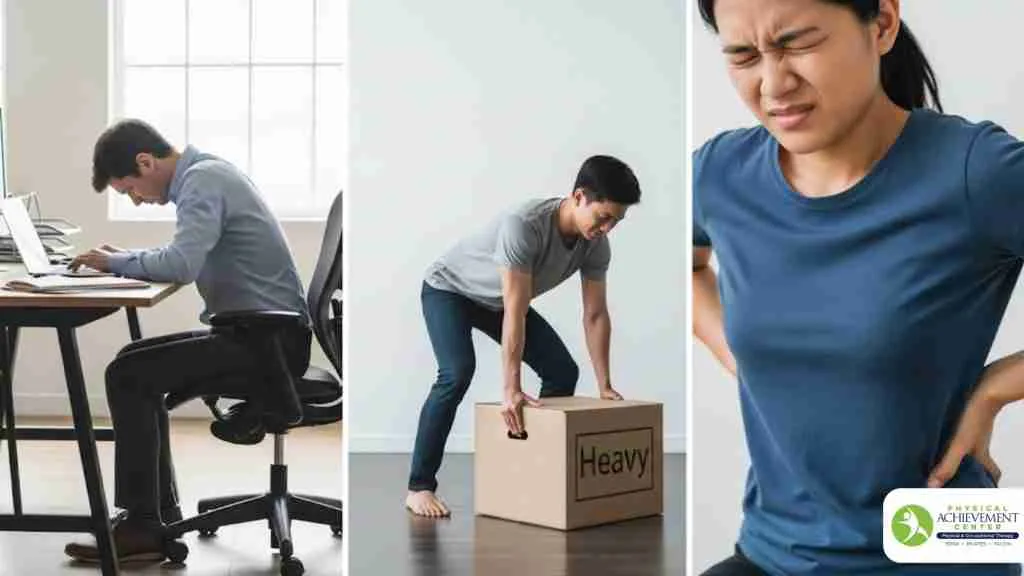
The most recognizable symptom is pain that extends from the lower back into the buttock and down the leg. This pain often affects only one side of the body. The sensation may worsen when you sit for long periods; sudden movements also tend to cause pain.
Some people notice tingling, numbness, or muscle weakness in the affected leg or foot. These sensations can appear alongside the pain, or they sometimes show up on their own. The intensity varies from person to person because the degree of nerve involvement differs in each case. Beyond the physical sensations, sciatica can influence how you move throughout the day. You might shift your posture to avoid discomfort, and this adjustment tends to place strain on other muscles.
Understanding the Treatments
Treatment approaches for sciatica typically focus on reducing nerve irritation and restoring mobility. A doctor normally prescribes conservative treatments first. A healthcare provider may suggest one or more of the following options depending on the underlying cause:
- Physical therapy: strengthens supporting muscles and improves flexibility
- Stretching routines: target the lower back and hips
- Medication: addresses inflammation or discomfort
- Injections: may help calm irritation around the nerve
- Surgical procedures: directly address the compressed nerves
Knowing When To Seek Help
Mild sciatica may resolve on its own, but certain warning signs suggest that you would likely benefit from consulting a professional. Sudden, severe pain following an injury is one example that warrants prompt attention. Here are some signs that may require prompt evaluation:
- Loss of bladder or bowel control
- Progressive weakness in the leg
- Moderate to severe numbness
These symptoms sometimes indicate a more serious problem, and delaying care may allow the issue to worsen. If pain persists despite self-care or it interferes with basic tasks, scheduling an appointment could be a beneficial step.
Learn More About Sciatica
Sciatica affects the sciatic nerve, and it can produce pain, numbness, and weakness that travel from the lower back into the leg. Identifying the specific cause matters because an accurate diagnosis helps guide you toward the treatment that fits your case. To learn more about treatment or management for sciatica, consult a pain management specialist near you.