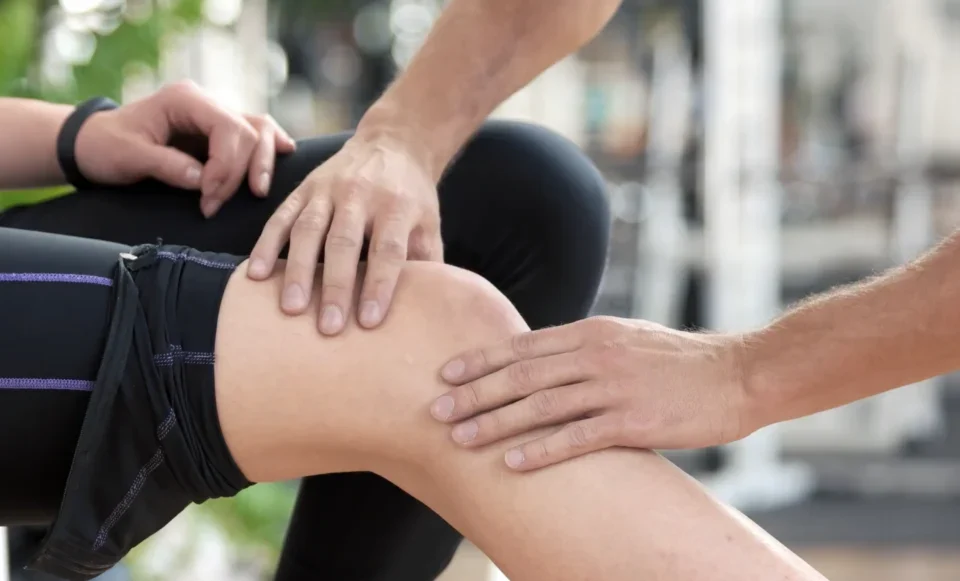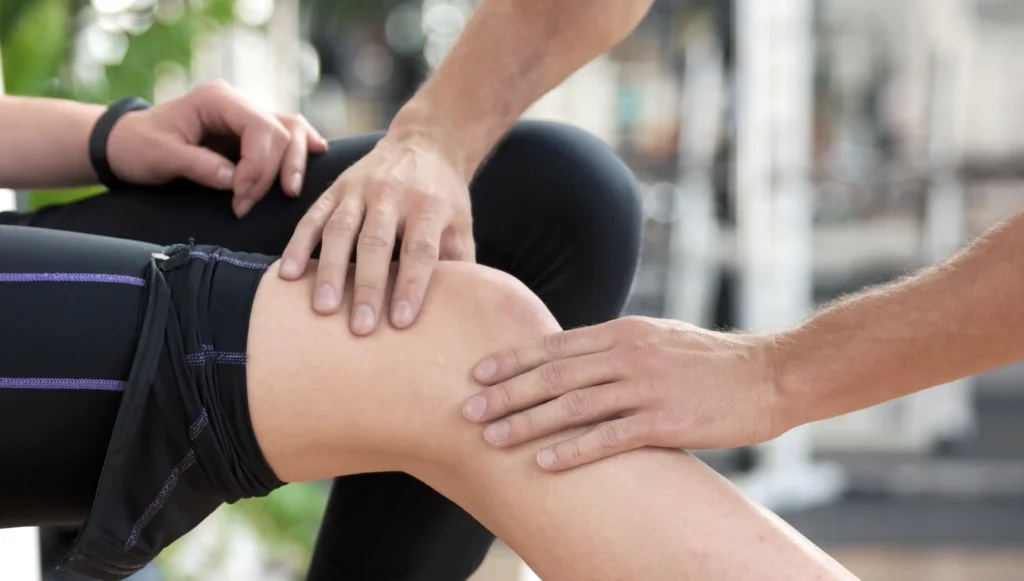



Exploring the Common Causes of Knee Pain and When to Seek Help
August 6, 2026
Understanding the Process of Sprained Ankle Treatment
August 7, 2026
The shoulder is one of the most mobile joints in the human body; it allows for a wide range of motion that supports daily activities such as lifting, reaching, and rotating the arm. Because so many parts contribute to its function, the shoulder is also prone to discomfort and injury. Shoulder pain can range from mild stiffness to more persistent discomfort that interferes with everyday tasks. Learning about the possible causes, common symptoms, and available treatment approaches, such as arthroscopic rotator cuff repair, may help you make informed decisions about your health.
What Causes Shoulder Pain?
Shoulder pain develops for many reasons. One common cause is injury to the rotator cuff; this is a group of muscles and tendons that stabilize the joint. Repetitive overhead motions may lead to strain or tears in this area over time. Other common contributors include inflammation of the tendons, known as tendinitis, and inflammation of the small fluid-filled sacs that cushion the joint, called bursitis. Osteoarthritis is a condition in which the protective cartilage gradually wears down.
What Are the Symptoms?
The symptoms of shoulder pain vary depending on the underlying cause. People may notice aching or soreness that worsens with movement, such as when raising the arm or reaching behind the back. Stiffness is another common sign, and it can limit the range of motion in the joint.
Some individuals experience weakness in the affected arm, and this may make it difficult to carry objects or perform routine tasks. Swelling, tenderness, and a sensation of grinding or clicking during movement can also occur. Paying attention to these signs, as well as how they change over time, may provide useful information when discussing treatment with a healthcare provider.
How Is It Treated?
Treatment approaches depend on the cause of the condition, as well as the severity. Many cases respond to conservative measures such as rest, physical therapy, and anti-inflammatory strategies. These methods may not provide sufficient relief, and more advanced options are then explored.
Biological Injections
Biologically enhanced injections use substances derived from the patient’s own body, which aim to support the natural healing process. These treatments may involve platelet-rich plasma or other biological materials that are prepared and then injected into the affected area. The goal is to encourage tissue repair, and it can reduce inflammation.
Arthroscopic Rotator Cuff Repair
Arthroscopic rotator cuff repair is a minimally invasive surgical technique used to address tears in the rotator cuff. During the procedure, a surgeon makes small incisions and inserts a tiny camera and instruments to repair the damaged tendon. The incisions are small, so this method is associated with less tissue disruption compared to traditional open surgery. Recovery typically involves a period of rehabilitation to restore strength and mobility.
Total Shoulder Resurfacing
Total shoulder resurfacing is a procedure in which damaged surfaces of the joint are replaced or reshaped to improve function. Rather than removing large portions of bone, this technique focuses on preserving as much natural structure as possible. It is often used for individuals with significant joint wear, and it can appeal to those who seek to maintain mobility.
Consult an Orthopedic Specialist
Shoulder pain that persists, worsens, or affects daily activities warrants professional evaluation. An orthopedic specialist may assess your condition through physical examination, as well as imaging tests, to identify the source of discomfort. A specialist can help you understand which options align with your individual needs, and they will guide you toward a path that supports recovery and improved function.