


Understanding Spravato Benefits and Eligibility
June 30, 2026
How Spine Neurosurgeons Approach Complex Spine Cases
July 1, 2026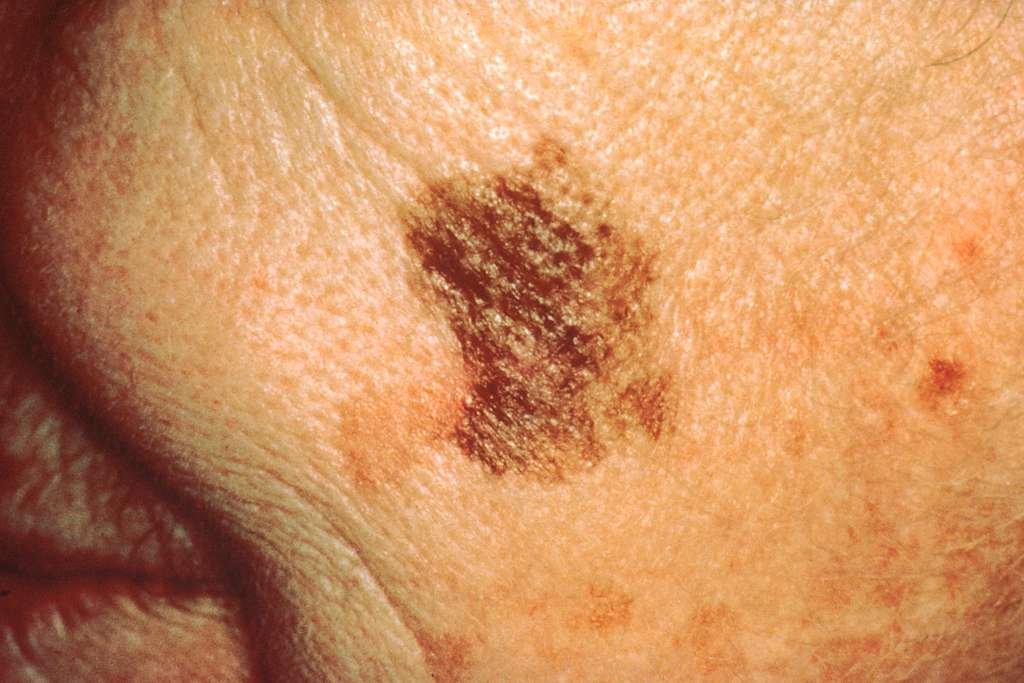
Skin cancer is a common type of cancer, and it can affect people of all ages and skin tones. While some cases develop slowly, early detection and timely treatment make a major difference in outcomes. Understanding the warning signs and available treatment options can help you take informed steps to protect your skin health. Here is what you need to know about skin cancer:
Recognizing Warning Signs
Skin cancer often presents with visible changes, and learning these signs gives you a helpful advantage. Watch for a new mole, a mole that shifts in size or color, or a spot that itches, bleeds, or crusts over. A wound that will not heal within a few weeks also requires attention, and any scaly patch that persists deserves a closer look.
Dermatologists frequently use the ABCDE method to evaluate suspicious moles, and this framework offers a fundamental starting point. The letters stand for Asymmetry, Border irregularity, Color variation, Diameter larger than a pencil eraser, and Evolving appearance. If a spot matches one or more of these traits, you should document it and schedule an evaluation.
Exploring Cancer Types
Skin cancer falls into several categories, and each type behaves differently, appears in distinct forms, and carries its own level of risk. Knowing how these types differ helps you understand what your clinician may look for during an assessment. Here are the three most common forms.
Basal Cell Carcinoma
Basal cell carcinoma often appears as a pearly bump, a flat scaly patch, or a sore that heals and reopens. It usually develops on sun-exposed areas such as the face, neck, and hands, though it can surface elsewhere. While it rarely spreads to distant parts of the body, it can damage nearby tissue if left untreated.
Squamous Cell Carcinoma
Squamous cell carcinoma often presents as a firm red nodule or a flat lesion with a scaly surface. It also favors sun-exposed regions, and it may develop on the lips, ears, or hands. This type can grow more aggressively than basal cell carcinoma and carries a higher risk of spreading when detection is delayed.
Melanoma
Melanoma is less common than the other two types, but it accounts for a larger share of serious cases. This form can arise within an existing mole or appear as a new dark spot, and its colors often vary from brown to black. Melanoma spreads more readily than basal or squamous cell carcinoma. Applying the ABCDE method regularly helps you detect changes that may signal this condition.
Early detection, prompt diagnosis, and proactive treatment are fundamental in minimizing the risks associated with all forms of skin cancer. Regular self-examinations and annual check-ups are valuable tools in identifying potential concerns early. Adopting preventive measures can significantly lower the likelihood of developing these conditions.
Understanding Risk Factors
Several factors raise your chance of developing skin cancer, and recognizing them helps you assess your personal risk. Frequent UV exposure from the sun or tanning beds is a leading contributor, and a history of sunburns further increases the risk. People with fair skin, light eyes, or many moles face a higher probability, though it can affect anyone regardless of complexion.
Family history also plays a role, and a personal history of having this condition increases the chance of recurrence. A weakened immune system, older age, and exposure to certain chemicals can further elevate risk. Understanding these factors does not guarantee a diagnosis, but it helps you and your clinician decide how to schedule checks.
Schedule Your Skin Cancer Appointment
Skin cancer takes several forms, shows recognizable warning signs, and responds well to early action. Protecting your skin begins with consistent prevention and vigilance. Early detection is key and gives you the best chance for effective treatment. Contact a qualified dermatologist in your area to schedule your skin cancer appointment today.