

What Are the Causes of Lower Back Pain?
May 21, 2026
How Gynecologists Support Women Through Life Changes
June 12, 2026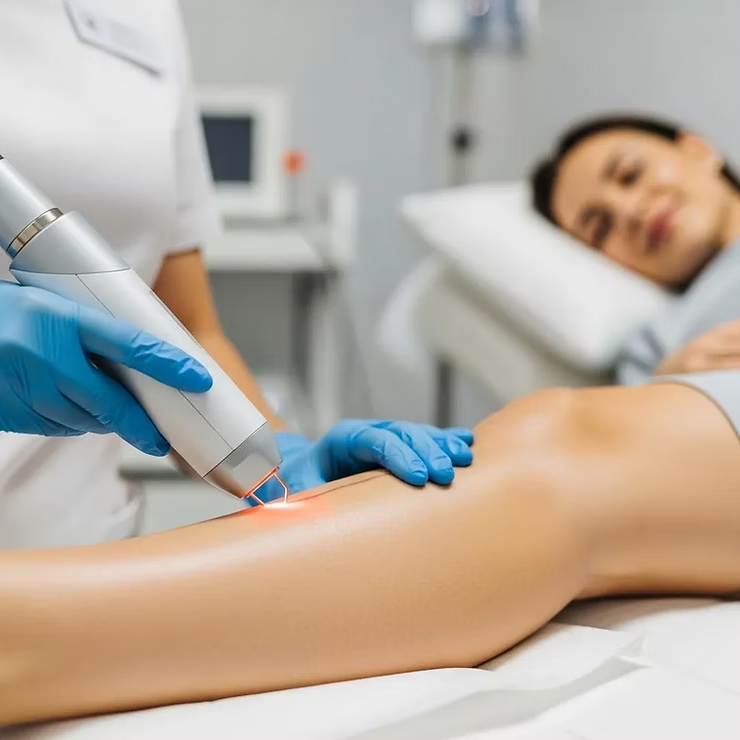
Varicose veins are enlarged, twisted veins that appear most often in the legs. They develop when vein walls weaken and valves stop working properly, causing blood to pool. You may notice aching, swelling, or heaviness in your legs, and these symptoms affect daily activity.
Daily Habits and Support
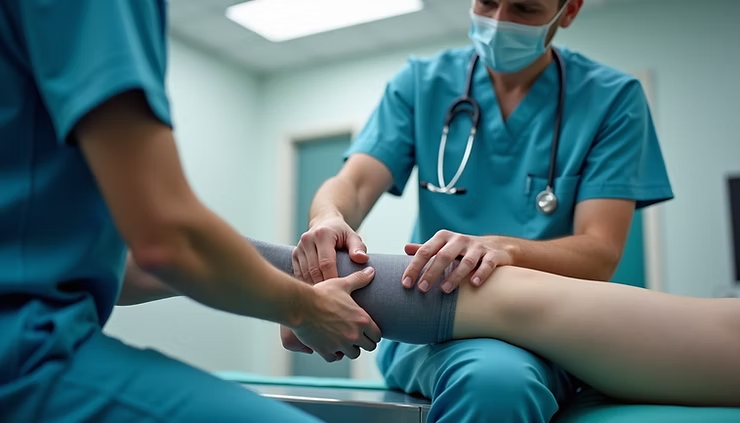
Small lifestyle changes reduce discomfort, and they may slow varicose veins progression. Regular movement helps blood circulate. Elevating your legs relieves pressure. Standing for long periods can worsen symptoms, so take breaks and shift your weight often. Maintaining a healthy weight reduces strain on your veins, and staying hydrated supports circulation. Compression stockings apply gentle pressure to support vein function, and they are often the first recommended step. These stockings come in different strengths, so your provider can guide you to the right fit. Wear them during the day, while removing them at night before sleep. Putting them on in the morning is easiest when swelling is lowest. They do not eliminate varicose veins, but they manage symptoms, and many people wear them daily.
Minimally Invasive Procedures
Several office-based procedures can close or eliminate problem veins without surgery. Since there are options, discuss each with your provider. Each method targets diseased veins differently, and your provider will assess vein size, location, and severity to recommend the right fit.
- Sclerotherapy: A solution is injected into the vein, causing it to collapse and fade as your body absorbs it.
- Asclera: A prescription sclerosant treats spider veins and small varicose veins through the same basic mechanism.
- Varithena: A foam injection fills larger veins, displaces blood, and reaches areas that liquid injections may not.
- VenaSeal: A medical adhesive closes the vein without heat, so it often needs less anesthesia and causes minimal bruising.
- ClosureFast: A catheter delivers controlled radiofrequency heat in segments, sealing the vein as it is withdrawn.
These procedures are typically performed in a clinic, and most patients resume normal activity within a day or two. Some methods require compression stockings afterward. Your provider will explain how long to wear them, since each plan is individualized.
Advanced Treatment Options
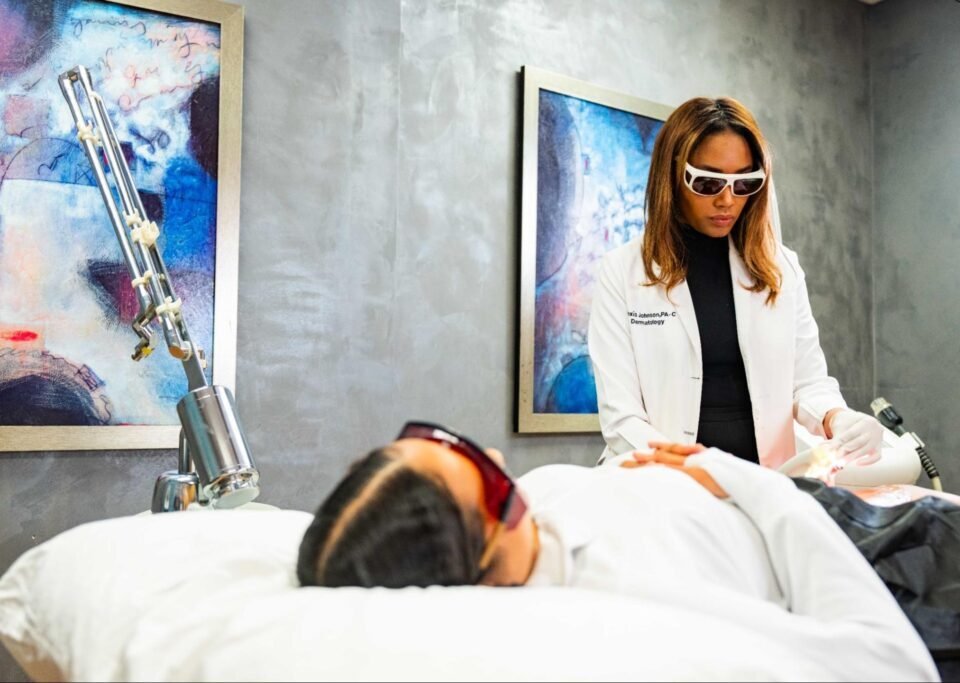
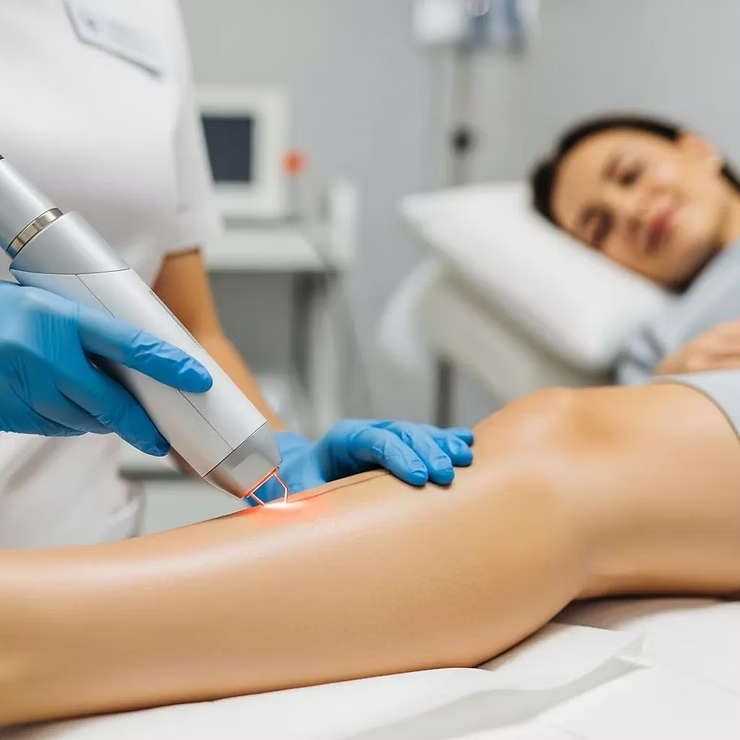
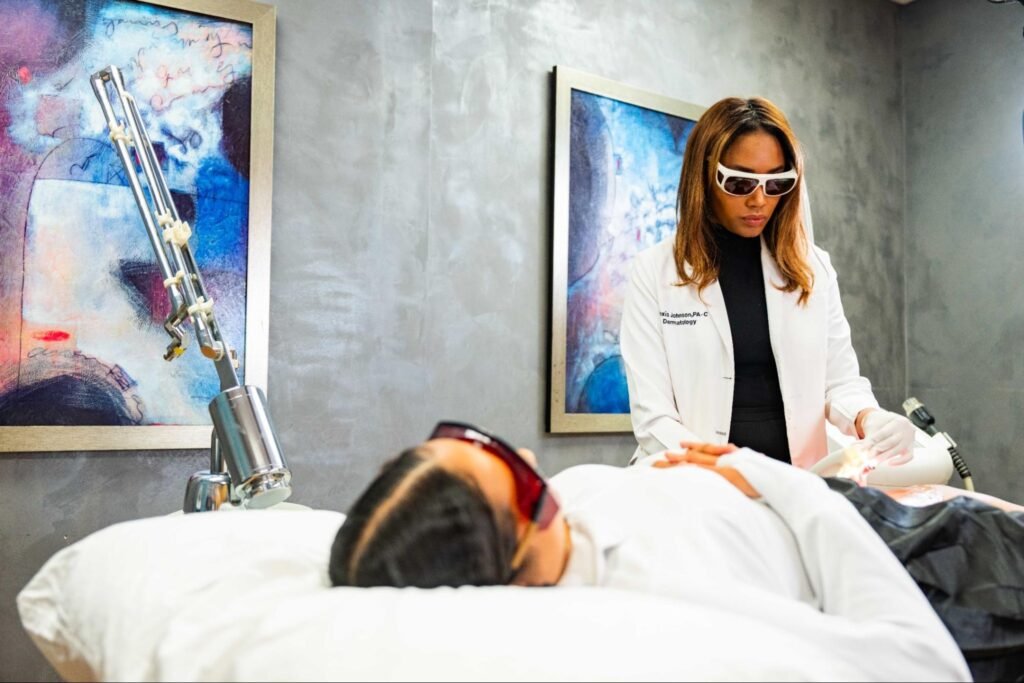
Laser treatments and surgical removal are available for cases that do not respond to less invasive methods. Laser treatments deliver focused light energy to close veins, working well for surface-level vessels. The light heats the vein, and the body absorbs the sealed tissue over time. Some laser methods are used on the skin surface, while others use a fiber inside the vein. Surgical vein removal, or stripping, means physically removing the vein through small incisions.
This approach is usually for large, symptomatic veins, and it requires a longer recovery than other options. Surgery is performed under anesthesia, and your provider will discuss the type that suits you. Recovery may include compression, limited activity, and follow-up visits. Your medical history and extent of vein disease will help determine whether surgery is appropriate. Your provider will explain what to expect during recovery. These options are effective, and outcomes depend on proper post-procedure care.
Discuss Varicose Veins Today
Varicose veins are a medical condition, and you have options for managing them. Treatment ranges from daily compression stockings to targeted procedures like Varithena, VenaSeal, ClosureFast, and sclerotherapy, depending on your needs. A vein specialist can evaluate your condition and they help you choose the most appropriate path. Schedule a consultation to review your symptoms.