


The Role of Weight Loss Counseling in Overcoming Barriers to Success
July 27, 2026
How Allergic Reactions Can Escalate and What to Watch For
July 27, 2026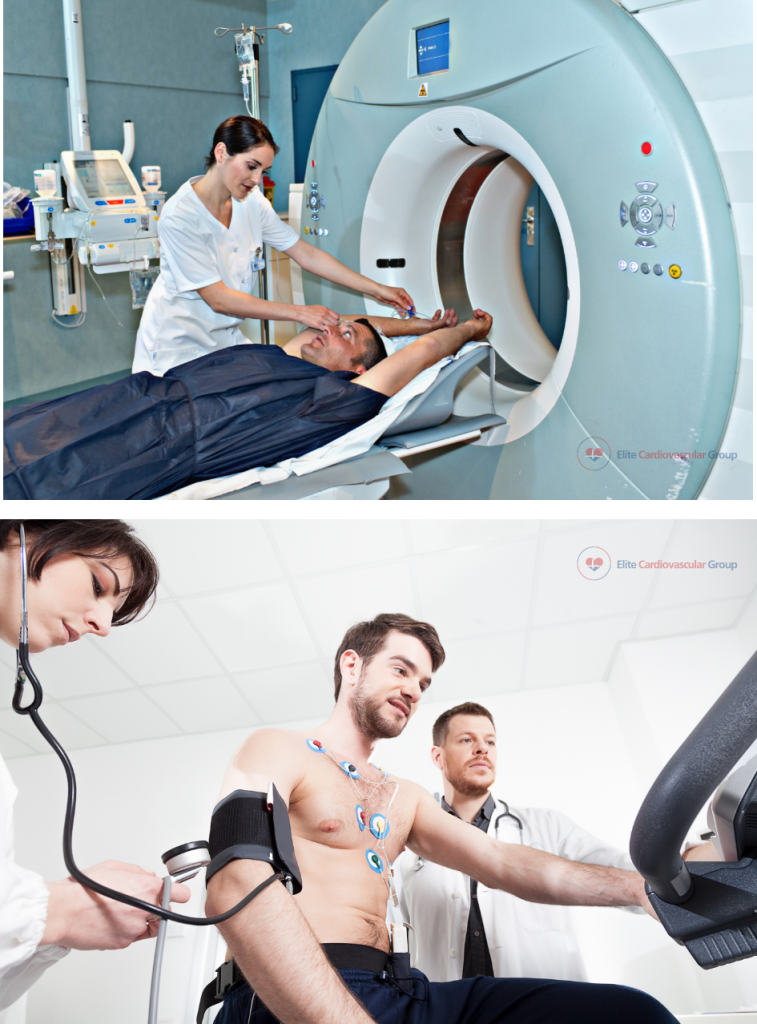
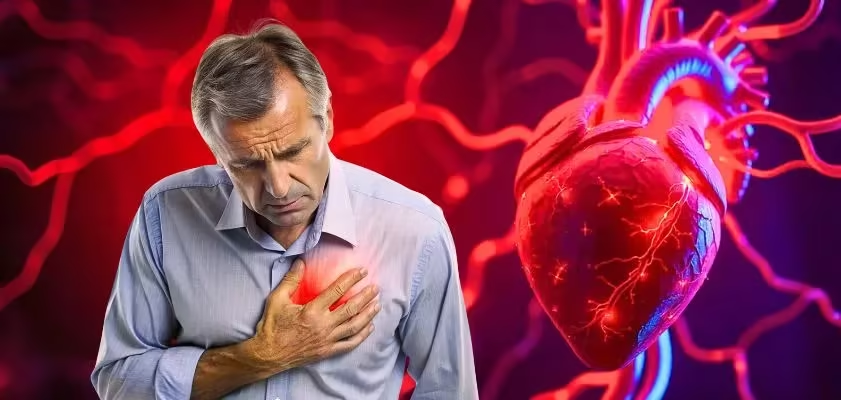
Heart disease is one of the most common health conditions worldwide, and it affects millions of adults each year. Heart disease is a range of conditions that affect the heart and its blood vessels. These conditions include coronary artery disease, arrhythmias, heart valve problems, and heart muscle disorders. Many people live with it for years before symptoms appear, which is why accurate diagnosis is foundational in supporting long-term heart health. Here’s information on nuclear stress testing and how it helps diagnose heart disease:
How Is Heart Disease Diagnosed?
Diagnosing heart disease often begins with a review of your medical history and a physical examination. Your doctor may ask about symptoms such as chest discomfort, shortness of breath, fatigue, or irregular heartbeats. They will discuss your family history and lifestyle habits, bringing up health conditions like high blood pressure or diabetes. From there, a physician may recommend additional testing to gather more detailed information, so you will get a referral to a cardiologist.
Some common diagnostic tools cardiologists utilize include:
- Electrocardiograms
- Echocardiograms
- Blood Tests
- Coronary Angiography
- Imaging Scans
Each test provides a different view of how the heart is working. Nuclear stress testing is an option that helps physicians study blood flow to the heart during both rest and activity, offering detailed insights. This is why it is commonly used to help diagnose heart disease.
How Does Stress Testing Work?
A nuclear stress test measures how well blood flows to your heart muscle while at rest and when working harder. The process typically takes place in two phases. During the first phase, a small amount of radioactive ctracer is injected into a vein, and imaging equipment captures pictures of your heart while you rest. In the second phase, your heart is placed under stress, usually through exercise on a treadmill.
If you are unable to exercise, medication may be used to simulate the effect of physical activity. A second dose of tracer is given, and additional images are taken. These two sets of images are then compared. A technician monitors your heart rate and blood pressure throughout the test, and the images reveal areas where blood flow may be reduced.
What Do Your Results Mean?
Once the imaging is complete, a cardiologist reviews the results and compares the rest and stress images. Areas that receive adequate blood flow appear differently from areas where flow may be limited. Your cardiologist will explain the findings in the context of your personal health situation. They will discuss your symptoms, medical history, risk factors, and the results of any other tests you have completed. Your results are interpreted differently if you have existing risk factors than if you do not. Your cardiologist will discuss what the images suggest about blood flow, and they may recommend further evaluation or monitoring based on what they observe.
Get Timely Nuclear Stress Testing
Nuclear stress testing and other diagnostic options give you and your doctor a better understanding of your current heart function. A stress test provides detailed information about blood flow during rest and activity, and this insight helps guide your treatment options. Because heart conditions can develop gradually, regular evaluation is fundamental for effectively managing your heart health over time. If you have concerns about your heart health, contact a cardiology practice about your diagnostic testing options today. A specialist can explain the process, review your individual circumstances, and help you understand what the results mean.