


The Role of Therapy in Overcoming Depression
July 20, 2026
What to Expect During Your First Med Spa Visit
July 21, 2026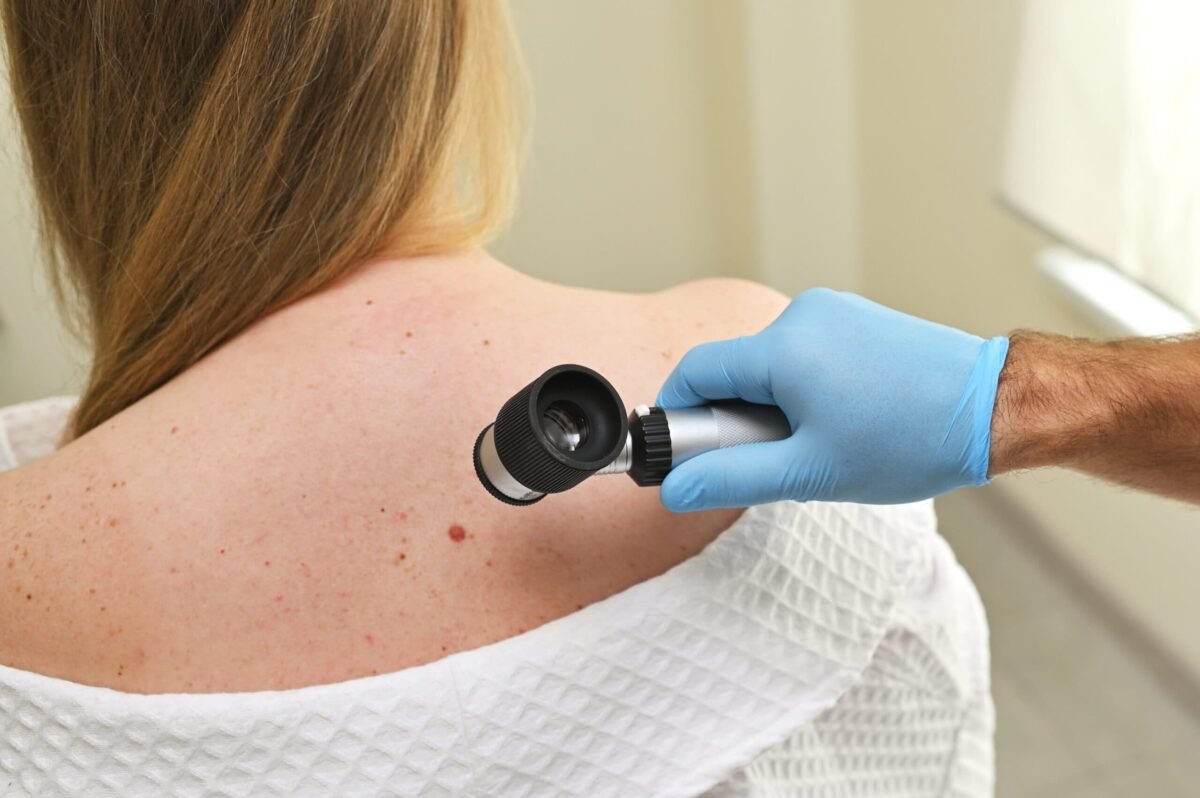
Melanoma is the third most common form of skin cancer, but it causes the vast majority of skin cancer deaths. Its incidence is rising faster than any other solid tumor, and in 2019 it ranked as the fifth leading cause of new cancer diagnoses in the United States. Because early detection shapes outcomes, regular check-ups play a defined role in identifying melanoma before it advances.
Understanding Melanoma Risk
Melanoma develops in the cells that produce skin pigment. It accounts for a small share of skin cancer cases, but it causes most skin cancer deaths. In 2019, projections estimated 7,230 melanoma deaths in the United States, and that figure reflects how aggressive the disease becomes when it is detected at later stages. Ultraviolet exposure remains the main modifiable risk factor, while indoor tanning has also been identified as a cause of melanoma. Because skin changes develop gradually, regular observation helps identify suspicious lesions earlier.
Melanoma changes the appearance of the skin. The ABCDE criteria identify asymmetry, border irregularity, color variation, a diameter greater than 6 millimeters, and evolution or change over time, and these features help distinguish suspicious lesions. When one or more of these signs appear, a healthcare provider evaluates the lesion more closely. Self-skin examinations also contribute to early detection. Research has linked self-examinations to thinner tumors at diagnosis in men older than 60, and people who examine their skin regularly are more likely to notice changes over time.
Scheduling Regular Screenings
Professional screenings build on routine self-examinations. People with higher risk factors receive added benefit from regular skin evaluations; specialized surveillance clinics have detected melanomas at earlier stages than standard care. During these visits, a clinician compares the skin with previous examinations because changes over time provide valuable diagnostic information. Skin cancer surveillance services monitor suspicious lesions systematically. Noninvasive melanoma detection also provides additional assessment before a biopsy is performed when further evaluation is needed.
Improving Diagnostic Accuracy
Clinical tools improve melanoma diagnosis. Dermoscopy magnifies and illuminates the skin; it improves diagnostic accuracy for suspicious lesions. A trained specialist performs this examination during an office visit; the additional detail helps distinguish harmless lesions from those that require further evaluation. When melanoma is confirmed, treatment depends on the location and stage of the cancer. Mohs surgery is used for selected melanoma cases; the procedure removes tissue in stages while each layer is examined under a microscope to confirm clear margins. This technique removes affected tissue while preserving as much healthy tissue as possible.
Schedule a Skin Check
Regular check-ups support prevention through early detection and timely diagnosis. Self-examinations help identify skin changes; professional screenings document changes over time; diagnostic tools improve evaluation when a lesion appears suspicious. Sunscreen rated SPF 15 or higher has been shown to reduce melanoma rates, while limiting ultraviolet exposure reduces a leading modifiable risk factor. A healthcare provider or dermatologist can evaluate suspicious skin changes; regular skin examinations remain part of ongoing melanoma prevention. Schedule a visit with a professional in your area to learn more and check your health.