



How a Podiatrist Addresses Neuropathy
July 22, 2026
Understanding the Aesthetic Benefits of Cosmetic Vein Treatment
July 23, 2026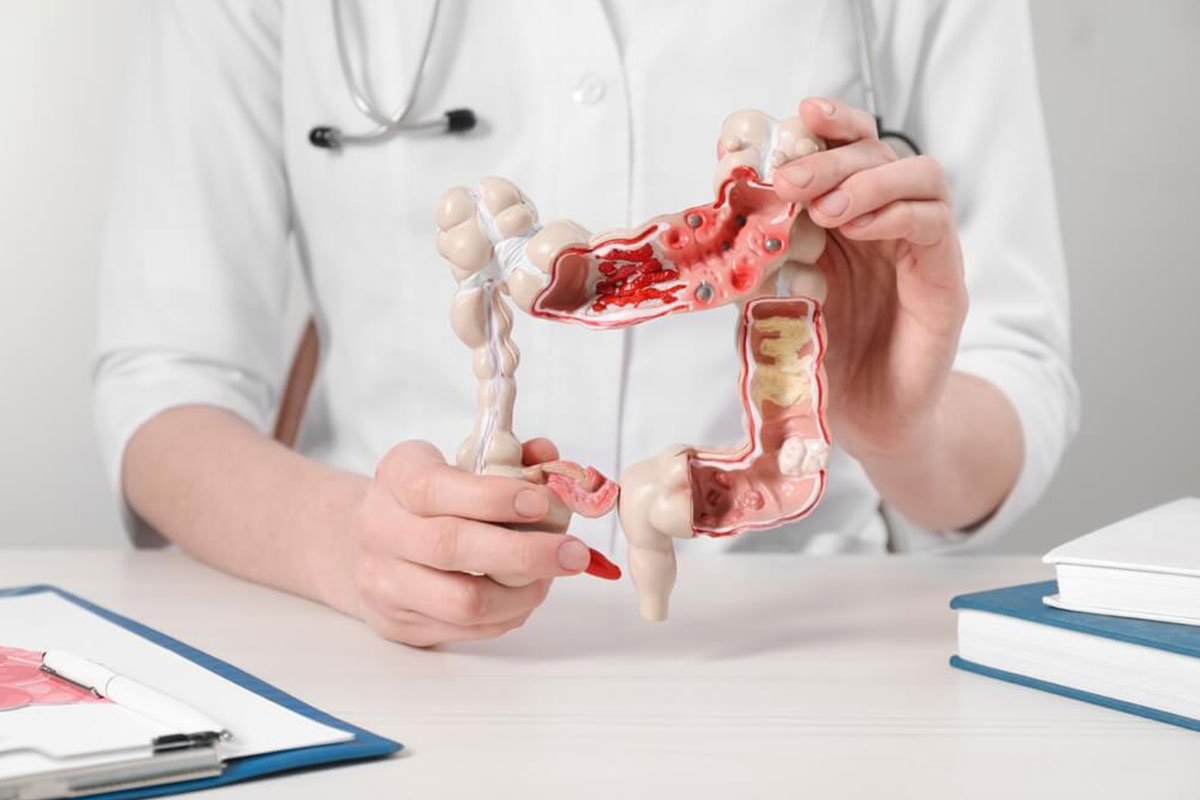
Gastroenterology is the branch of medicine that focuses on the digestive system. It covers organs such as the esophagus, stomach, intestines, liver, and pancreas. Physicians in this field, known as gastroenterologists, diagnose and treat digestive conditions, but they also play a significant part in preventive healthcare through screenings and ongoing monitoring.
Introducing the Field of Gastroenterology
Gastroenterology examines how the digestive tract functions, and it addresses issues ranging from common discomfort to complex chronic conditions. Gastroenterologists use tools such as endoscopes and imaging technology that enable them to view the digestive tract directly. Their work spans diagnosis, treatment planning, and long-term care for patients with digestive concerns.
Explaining Preventive Care
Preventive care in gastroenterology involves identifying potential problems early, and this approach includes routine screenings and lifestyle discussions. Regular checkups give gastroenterologists the opportunity to observe changes over time. Screenings may target the colon, liver, or other digestive organs. The specific tests depend on a person’s age, family history, and symptoms. During visits, a gastroenterologist may collect the following information from a patient:
- Diet and nutrition habits
- Physical activity levels
- Family medical history
- Current symptoms
- Medications and supplements
- Previous medical history
Reviewing the Colonoscopy Procedure
A colonoscopy is a common screening procedure that detects signs of colorectal cancer. It allows a physician to examine the inner lining of the colon and rectum. The examination uses a thin, flexible tube, and the end is fitted with a small camera.
Before the procedure, patients typically follow preparation instructions that clear the colon, and this step helps the gastroenterologist obtain a clear view. During the examination, the physician may remove small tissue samples for further study. If the provider finds a precancerous polyp, they can remove it right away during the procedure. People who need regular colonoscopies are:
- Individuals aged 45 or older
- Those with a family history of colorectal cancer or polyps
- People experiencing symptoms such as rectal bleeding and persistent abdominal pain
- Patients with conditions like inflammatory bowel disease
Managing GERD
Gastroesophageal reflux disease is commonly called GERD. This chronic condition occurs when stomach contents move back into the esophagus. This can lead to symptoms such as heartburn and discomfort; gastroenterologists evaluate these symptoms to understand the frequency and severity of the condition. With appropriate management strategies, individuals with GERD may be able to avoid the triggers of their symptoms.
Management of GERD may involve dietary adjustments and changes to daily habits; a gastroenterologist also prescribes medication or discusses more optimal sleeping positions for GERD patients. Surgery is a potentially beneficial treatment for GERD to prevent complications or stop the progress of the condition. Ongoing monitoring allows the physician to track how symptoms respond over time and to adjust the approach when needed.
Learn More About Gastroenterology Services
Gastroenterology addresses the health of the digestive system, and it contributes to preventive care through screenings, monitoring, and patient education. Gastroenterologists also provide continuing care for chronic conditions such as IBS and Crohn’s disease. If you have questions about preventive care in gastroenterology, consult a gastroenterologist near you.