

What You Need To Know About Knee Pain
August 13, 2026
How Vascular Doctors Approach Treatment for Varicose Veins
August 14, 2026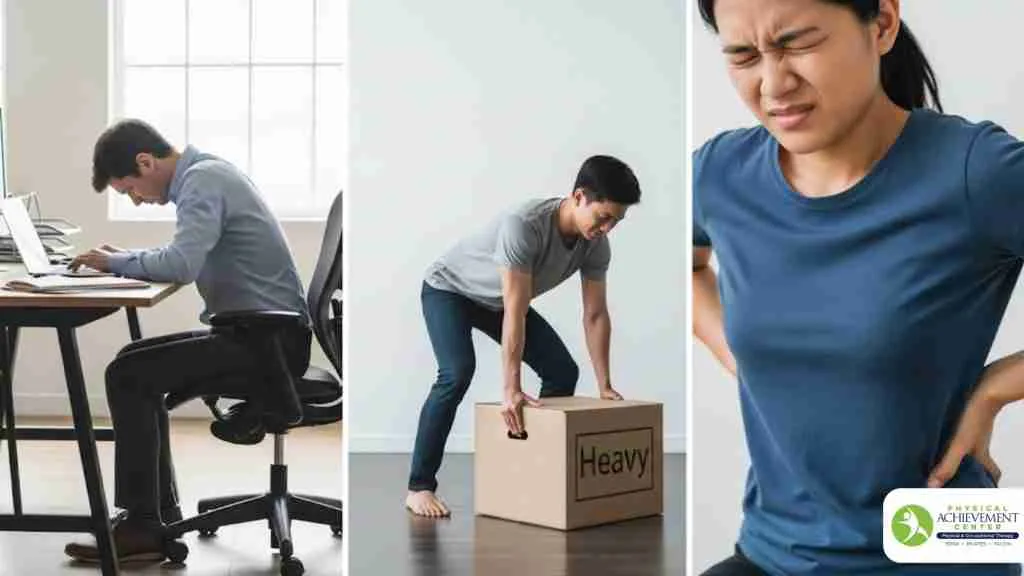
Poor posture places uneven stress on the spine, which causes muscles, discs, and joints to strain over time. This cumulative stress contributes to chronic back pain, but posture is correctable. Targeted exercises, ergonomic adjustments, and professional treatment can reduce and prevent pain when applied consistently. Here is more information on how pain in the back and posture are connected:
What Is Back Pain?
Back pain refers to discomfort, stiffness, or aching sensations anywhere along the spine. It ranges from the neck to the lower back, and it can be acute, lasting a few days, or chronic, persisting for weeks or months. Muscle strain, disc problems, and joint degeneration are common causes, which make back pain a multifaceted condition that requires careful assessment.
The lower back, or lumbar region, is a commonly affected area of the spine. Since this region bears the bulk of the body’s weight, it is highly sensitive to mechanical stress. When the structures supporting the spine are weakened or misaligned, pain often results; these structural changes can progress if left unaddressed.
What Is Poor Posture?
Posture describes the position in which the body is held while standing, sitting, or lying down. Good posture aligns the spine in its natural curves, while poor posture disrupts this alignment, forcing certain structures to compensate. Common examples of poor posture include:
- Slouching at a desk or workstation
- Hunching the shoulders forward
- Tilting the pelvis anteriorly or posteriorly
- Craning the neck toward a screen
How Are They Connected?
When posture is misaligned, the spine cannot distribute load as it was designed to. Muscles work harder to stabilize the body, and this sustained effort causes them to become fatigued and tense over time. Spinal discs and facet joints absorb excess stress. This accelerates wear and increases pain sensitivity.
Sustained poor posture causes structural changes to the body, and these changes compound over time if left unaddressed. Muscles on one side of the spine may shorten while those on the other side lengthen. This creates muscular imbalances that pull the spine further out of alignment. The relationship between posture and back pain works in both directions. Pain in the back may lead individuals to adopt protective postures that further compromise spinal alignment, which places additional strain on surrounding structures.
How Is Back Pain Relieved?
Treatment for posture-related pain typically combines physical therapy, lifestyle modification, and medical intervention. A healthcare professional assesses postural imbalances, and they will design a targeted rehabilitation program that may include exercises to strengthen the core and improve spinal flexibility. These exercises are prescribed because they address the root causes of misalignment.
Ergonomic changes play a role in managing pain; small, consistent adjustments may produce measurable improvements over time. Modifying workstation height reduces spinal load. Using lumbar-support chairs and taking regular movement breaks further reduce the strain accumulated throughout the day, which makes these combined adjustments particularly effective.
For persistent cases, a physician will recommend pain management strategies such as anti-inflammatory medications. Imaging may also be used, as it helps rule out structural conditions. Early treatment may lead to better outcomes, but ignoring symptoms allows compensatory patterns to deepen, which makes recovery more complex.
Correct Your Posture Today
Back pain and poor posture share a bidirectional relationship. Poor alignment stresses the spine, and that stress, left unaddressed, leads to pain. Posture is a modifiable risk factor that may respond well to consistent, targeted effort. If you experience back pain, consult a pain management specialist for a targeted management plan.