

Exercises To Alleviate Shoulder Pain
August 4, 2026
The Role of Pap Smears in Early Detection of Cervical Cancer
August 4, 2026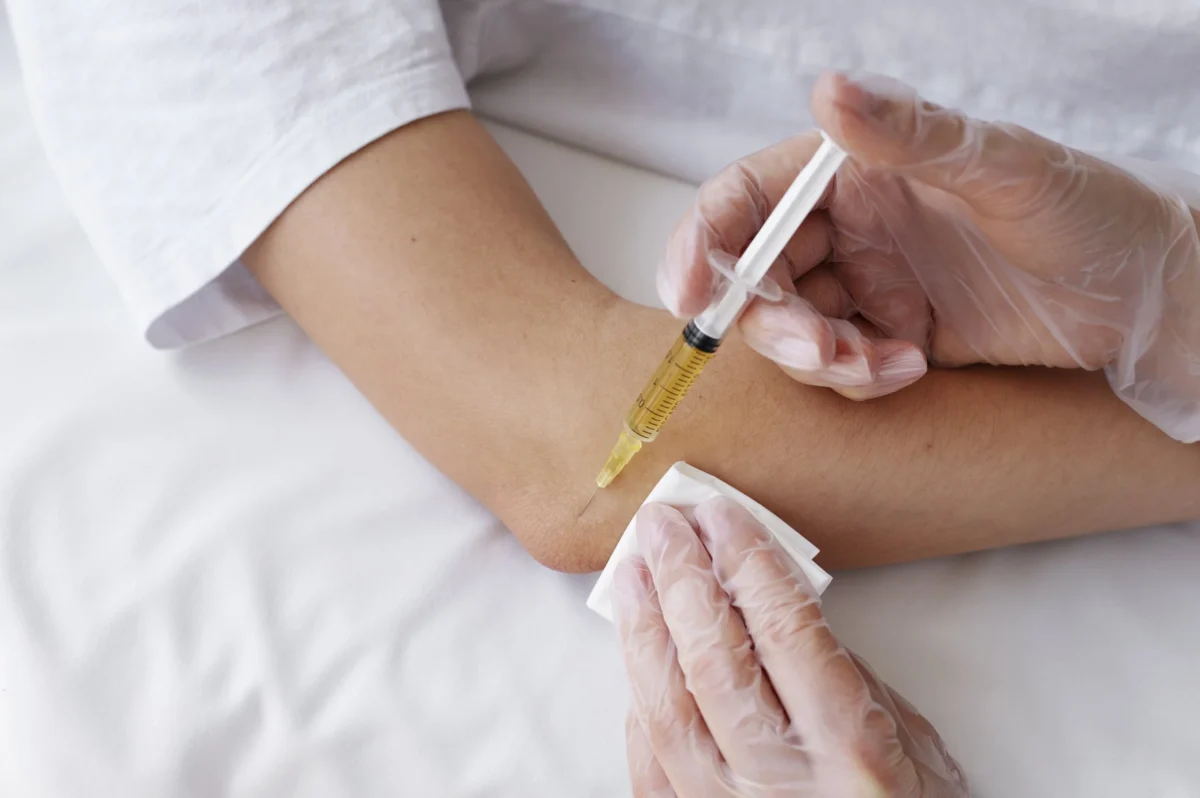
Platelet-rich plasma (PRP) comes from your own blood; providers draw a small sample, spin it in a centrifuge, and separate the platelets. Since platelets carry concentrated proteins, this treatment supports the body’s natural repair processes. Many active people now explore PRP as part of their recovery routines. Here is more information on how this therapy can improve athletic performance:
Utilizing Platelet-rich Plasma
PRP starts with a simple blood draw. A trained provider processes the sample, and the concentrated platelets get injected into a targeted area. When tissue needs support, this method delivers those platelets directly to the site.
Athletes may turn to PRP for joints and tendons. The treatment targets specific spots, and it uses your own biological material. Since the plasma comes from your body, providers avoid introducing outside substances.
Using Growth Factors
Platelets hold growth factors, which are signaling proteins. These proteins guide cellular activity, and they help coordinate tissue repair. When growth factors reach an injured area, they signal nearby cells to respond.
Growth factors influence several repair processes at once. The proteins direct cells, and they support the local environment around damaged tissue. Because these signals occur naturally, PRP builds on a process your body already knows.
Here are growth factors found in PRP:
- Platelet-derived growth factor (PDGF)
- Transforming growth factor beta (TGF-β)
- Vascular endothelial growth factor (VEGF)
- Epidermal growth factor (EGF)
Each protein plays a distinct role. The factors work together, and they contribute to different stages of repair. Because they act in sequence, timing shapes how tissue responds.
Stimulating New Cell Growth
New cell activity forms the foundation of tissue repair. PRP delivers concentrated signals, and those signals prompt cells to divide. When platelets release their proteins, nearby cells begin their work.
Fibroblasts respond strongly to these signals. These cells produce collagen, and collagen gives tissue its structure. Because collagen supports tendons and ligaments, its production matters for active people.
Fibroblasts play a role in collagen production and the overall healing process. They make sure that the repaired tissue regains its strength and elasticity. While PRP treatment enhances this response by delivering concentrated growth factors, the body’s natural repair mechanism still relies heavily on the synergy of cells, signals, and appropriate timing.
Accelerating Athletic Recovery
Recovery time affects every training schedule. PRP concentrates repair signals at the injury site, and it works with your natural timeline. When healing progresses steadily, athletes return to their routines with a clearer plan.
Providers may pair PRP with rest and physical therapy. The treatment supports tissue, and the added care reinforces the process. Since recovery involves many steps, PRP fits into a broader plan rather than replacing it.
Typical areas providers treat include:
- Knee tendons and ligaments
- Elbow joints
- Shoulder tissue
- Achilles tendon
Each area presents different needs. Providers assess your situation, and they tailor the approach to your goals. Since every athlete differs, a personalized plan guides the process.
Schedule PRP Sessions Near You
PRP therapy uses your own blood to support repair. A provider evaluates your needs, and they design a plan suited to your body. When you understand the steps, you make informed choices about your care. Book a consultation with our staff today, and contact a clinic to take the next step toward a personalized plan.