


Identifying the Signs of Sleep Apnea
July 28, 2026
The Benefits of Seeking Care at a Specialized Vein Clinic
July 29, 2026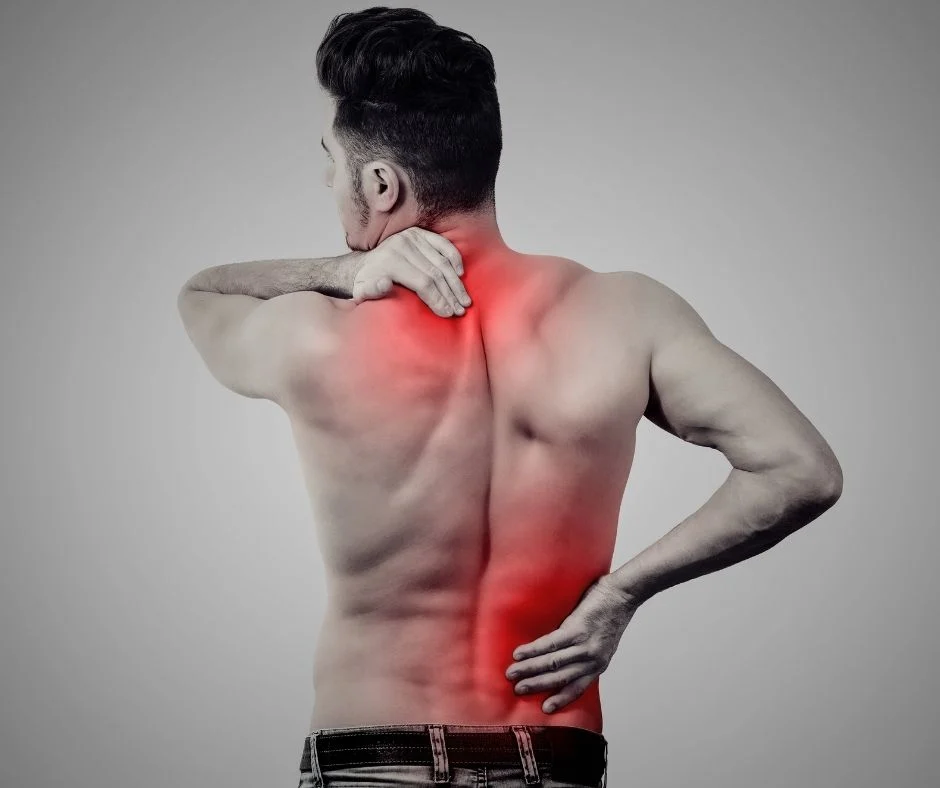
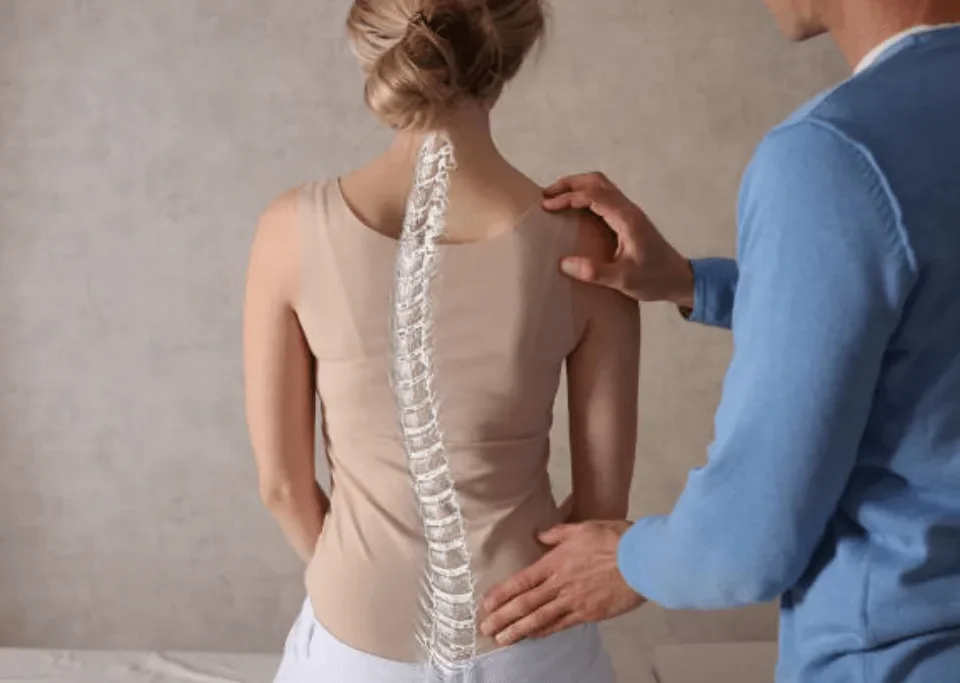
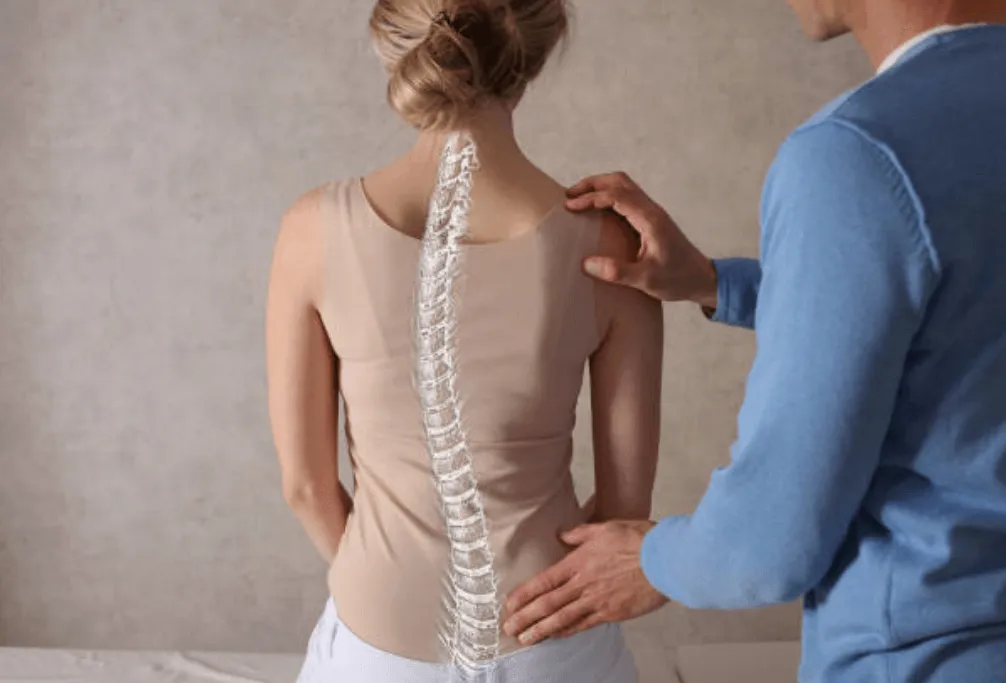
Back pain refers to discomfort felt anywhere along the spine, from the neck down to the lower back, and it ranges from a mild ache to sharp, limiting pain. It affects the muscles, nerves, bones, discs, and joints that make up the spinal structure. Here is more information about back pain and its causes and treatments:
What Conditions Cause Back Pain?
A wide range of conditions contribute to back pain, and identifying the source is the first step to finding relief. Muscle strains and ligament sprains are the most frequent causes, often resulting from improperly lifting or twisting. Conditions such as arthritis, spinal stenosis, and degenerative disc disease develop over time. They may gradually increase discomfort as the spine changes with age.
Osteoporosis can lead to fractures in the vertebrae, and these sometimes produce sharp or persistent pain. Lifestyle factors and underlying health issues can further influence pain in the back. Excess weight, a sedentary routine, and repetitive physical activity add stress to the spine because these habits strain the supporting muscles and joints.
What Is a Herniated Disc?
Between each vertebra sits a soft, cushion-like disc that absorbs shock and allows the spine to move. A herniated disc occurs when the soft inner material pushes through the tougher outer layer, and this often happens due to wear, injury, or sudden pressure. The displaced material presses against nearby nerves. This pressure can produce pain, numbness, or weakness. Herniated discs may appear in the lower back, though they develop in the neck as well.
What Causes Sciatica?
Sciatica describes pain that travels along the sciatic nerve, which runs from the lower back through the hips and down each leg. Irritation or compression of this nerve triggers the condition, and the pain typically follows the nerve’s path. A herniated disc is a common source, but other issues can also apply pressure. Bone spurs, spinal stenosis, and muscle tightness may compress the sciatic nerve because these conditions reduce the space around the nerve root. Some symptoms of sciatica include:
- A sharp, burning, or radiating pain that affects one side of the body
- Tingling sensations along the nerve’s path
- Muscle weakness in the affected leg
- Difficulty with everyday movement and activities
What Treatments Are Effective?
Treatment for pain depends on the underlying cause and severity of symptoms. Conservative approaches are often the starting point and may include:
- Rest to allow inflammation to settle and reduce strain on the spine
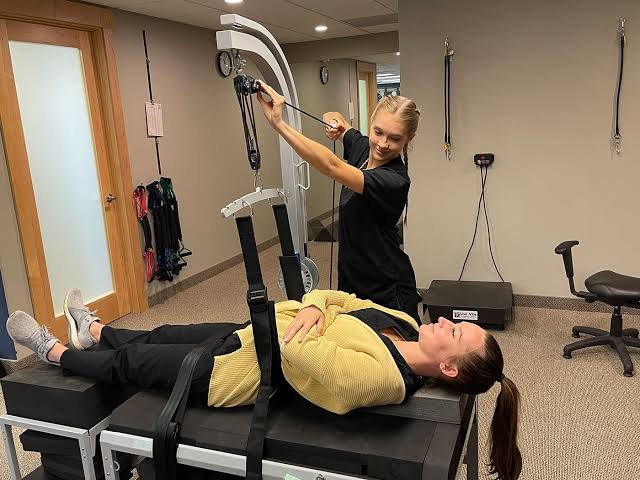
- Physical therapy and targeted exercises to strengthen the muscles that support the spine
- Heat or cold therapy to manage pain and reduce muscle tension
- Stretching and posture improvement to relieve pressure on affected nerves
- Over-the-counter or prescribed medications to reduce inflammation and address the source of irritation directly
When conservative methods do not provide relief, more advanced options exist. Injections, guided procedures, and in certain cases surgery may be pursued because these approaches target persistent or structural problems. Staying active within your limits often supports recovery, and maintaining a healthy weight reduces ongoing stress on the spine. A specialist can guide you toward the most appropriate combination of treatments for your needs.
Learn More About Back Pain
Back pain stems from many sources, including sudden trauma and spinal conditions. Understanding what causes your discomfort is a step toward finding relief. With professional help and home care, reducing or eliminating current pain is possible; you may be able to prevent future back pain from recurring. If you want to learn more about back pain, consult a pain management specialist near you.
- How Shoulder Pain Can Influence Your Daily Activities
- Exploring the Common Causes of Knee Pain and When to Seek Help
- The Benefits of Working With a Pain Management Doctor for Long-Term Pain Relief
- What To Expect From Your First Visit to an Eye Surgeon
- The Role of Pap Smears in Early Detection of Cervical Cancer