



Benefits of Semaglutide vs. Other Weight Loss Medications
July 28, 2026
FAQs About Back Pain
July 29, 2026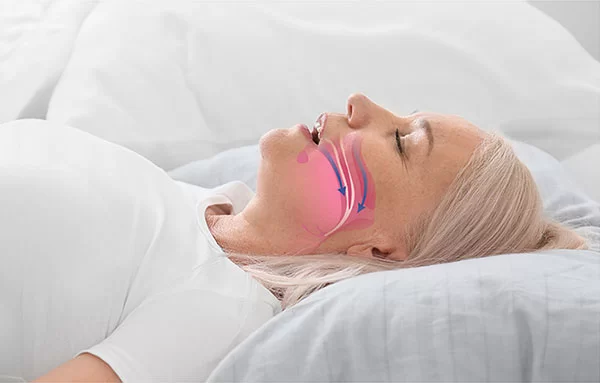
Sleep apnea is a disorder where your breathing stops and starts during sleep, and many people live with it for years without a diagnosis. The signs typically show up at night, and a partner may notice them first. Knowing what to watch for helps you decide when to seek help. Here is more information on the signs of sleep apnea and how to spot them:
Loud Snoring
Snoring is a telltale sign of sleep apnea. Soft tissue in your throat vibrates, and this creates the loud sound you hear. When the airway narrows during sleep, the vibration grows louder. Not every snorer has sleep apnea, but frequent loud snoring requires attention.
Watch for a few patterns that stand out from ordinary snoring:
- Snoring that happens most nights
- Snoring loud enough to wake others
- Snoring that pauses, then restarts abruptly
These patterns matter because they point to blocked airflow. A partner often reports them, and their account gives useful detail. If the snoring follows this pattern, keep a written record.
Sudden Gasps for Air
Sudden gasping is a clearer warning sign than snoring alone. Your body wakes briefly to restart breathing after a pause. These pauses are called apneas, and they may repeat many times each hour. You might not remember them, yet the gasps disrupt your rest.
A bed partner typically notices the gasping first. The sound is sharp, and it interrupts the steady rhythm of snoring. Since the waking is brief, you may stay unaware of it. Ask someone who shares your room to describe what they hear.
Sleeping alone can make it harder to notice the signs of disrupted breathing. This is why it is wise to pay attention to other symptoms, like fatigue or morning headaches, which might point to an underlying issue. If you suspect a problem, consulting a doctor can help identify and address potential causes of these interruptions.
Very Dry Mouth
A dry mouth in the morning is another sign worth noting. When your airway blocks, you tend to breathe through your mouth. Mouth breathing dries out the tissue, and you wake feeling parched. This symptom is easy to overlook, though it shows up often.
Early Morning Headaches
Morning headaches sometimes link to interrupted breathing overnight. Low oxygen levels affect blood flow, and this may trigger head pain. The headache usually fades within a few hours of waking. If it returns morning after morning, note the pattern.
Track your headaches alongside your sleep habits for a clearer picture. Write down when the pain starts and how long it lasts. A simple log gives your doctor useful information. When patterns matter, consistency in your notes helps.
Get Evaluated for Sleep Apnea
These signs point toward sleep apnea, but they do not confirm it. A proper evaluation gives you real answers. A dentist or physician reviews these details and recommends next steps. Testing measures your breathing and oxygen levels while you sleep. Schedule an evaluation today if these signs sound familiar. Bring your log, describe your symptoms, and start the conversation.
- How Shoulder Pain Can Influence Your Daily Activities
- Exploring the Common Causes of Knee Pain and When to Seek Help
- The Benefits of Working With a Pain Management Doctor for Long-Term Pain Relief
- What To Expect From Your First Visit to an Eye Surgeon
- The Role of Pap Smears in Early Detection of Cervical Cancer