

Best Urologist for Kidney Stones Treatment – A Complete Guide
April 24, 2026
Hormonal Imbalance Treatment for Women: A Simple and Complete Guide
April 24, 2026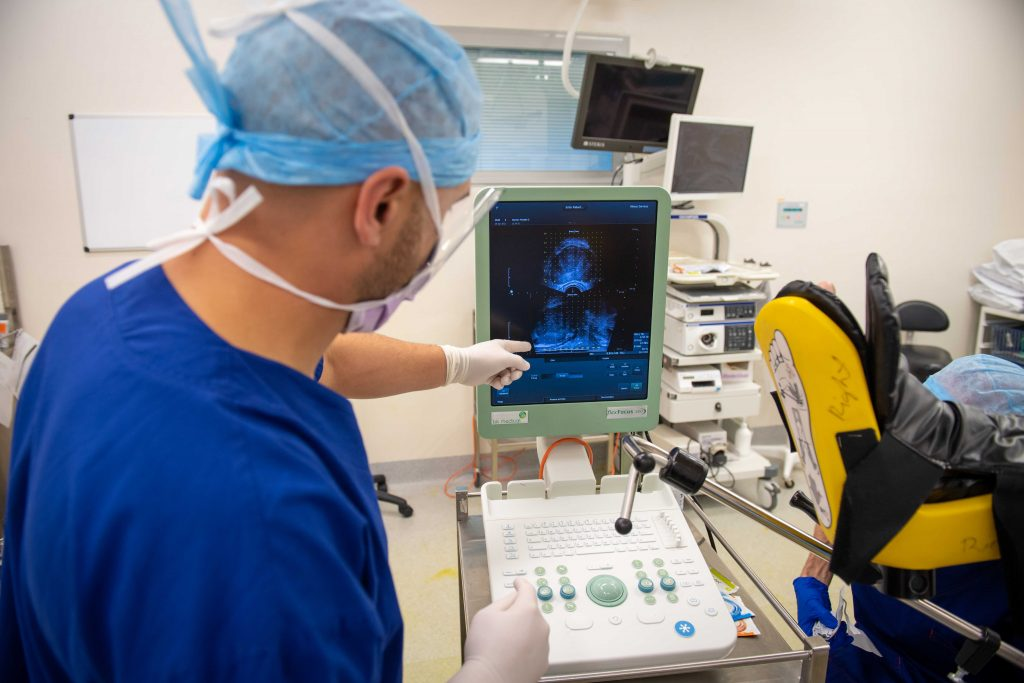
Prostate enlargement, also known as benign prostatic hyperplasia (BPH), is a common condition that affects many men as they grow older. While it is not cancer, it can still cause uncomfortable urinary symptoms that interfere with daily life. The good news is that there are many effective treatment options available today, ranging from simple lifestyle changes to advanced medical procedures.
In this article, we’ll walk through everything you need to know about prostate enlargement treatment options in clear, easy language so you can better understand the condition and make informed decisions.
What Is Prostate Enlargement?
The prostate is a small gland located below the bladder. Its main job is to help produce fluid that nourishes and transports sperm. As men age, the prostate can gradually grow larger. This enlargement can press against the urethra (the tube that carries urine out of the body), making urination difficult.
Common Symptoms of Prostate Enlargement
Before discussing treatments, it’s important to recognize the symptoms. These may include:
- Frequent need to urinate, especially at night
- Weak urine stream
- Difficulty starting urination
- Feeling like the bladder isn’t fully empty
- Sudden urge to urinate
These symptoms can range from mild to severe and often worsen over time if left untreated.
Treatment Options for Prostate Enlargement
Treatment depends on how severe the symptoms are and how much they affect your daily life. Let’s explore the main options.
1. Watchful Waiting (Active Monitoring)
If symptoms are mild, doctors may recommend simply monitoring the condition rather than starting treatment right away.
What this involves:
- Regular check-ups
- Tracking symptoms
- Making small lifestyle changes
Best for: Men with mild symptoms that don’t interfere much with daily life.
2. Lifestyle Changes
Simple habits can significantly improve symptoms in early stages.
Helpful changes include:
- Reducing caffeine and alcohol intake
- Avoiding drinking too much fluid before bedtime
- Practicing double voiding (urinating, then trying again after a few minutes)
- Staying physically active
- Maintaining a healthy weight
These changes are easy to follow and can delay the need for medications.
3. Medications
Medications are often the first line of treatment for moderate symptoms.
a) Alpha Blockers
These medications relax the muscles around the prostate and bladder, making it easier to urinate.
Benefits:
- Quick relief (often within days)
- Improves urine flow
Possible side effects:
- Dizziness
- Low blood pressure
b) 5-Alpha Reductase Inhibitors
These drugs shrink the prostate over time by affecting hormone levels.
Benefits:
- Reduces prostate size
- Helps prevent further growth
Drawbacks:
- Takes several months to show results
c) Combination Therapy
Sometimes doctors prescribe both types together for better results.
Best for: Men with larger prostates and more severe symptoms.
4. Minimally Invasive Procedures
If medications don’t work well or cause side effects, minimally invasive treatments may be recommended. These procedures are less complex than surgery and usually have faster recovery times.
a) Transurethral Microwave Therapy (TUMT)
Uses heat to destroy excess prostate tissue.
b) Transurethral Needle Ablation (TUNA)
Uses radiofrequency energy to reduce prostate size.
c) UroLift System
Small implants are used to hold the enlarged prostate tissue away from the urethra.
Advantages:
- Quick procedures
- Minimal hospital stay
- Faster recovery
Limitations:
- May not be suitable for very large prostates
5. Surgical Treatments
For severe cases, surgery may be the most effective option.
a) Transurethral Resection of the Prostate (TURP)
This is the most common surgical procedure. The doctor removes part of the prostate to improve urine flow.
Benefits:
- Long-lasting relief
- Highly effective
b) Laser Surgery
Uses laser energy to remove or shrink prostate tissue.
Advantages:
- Less bleeding
- Shorter hospital stay
c) Open or Robotic Surgery
Used for very large prostates. The surgeon removes the inner portion of the prostate.
Best for: Severe symptoms or complications.
Choosing the Right Treatment
The best treatment depends on several factors:
- Age
- Overall health
- Severity of symptoms
- Prostate size
- Personal preferences
A doctor will usually perform tests such as urine flow studies, blood tests, or imaging before recommending a treatment plan.
Possible Complications if Untreated
Ignoring prostate enlargement can lead to serious issues, such as:
- Urinary tract infections
- Bladder damage
- Kidney problems
- Complete inability to urinate (medical emergency)
That’s why early evaluation and treatment are important.
Tips for Managing Prostate Health
Even if you don’t need treatment right away, these tips can help keep your prostate healthy:
- Eat a balanced diet rich in fruits and vegetables
- Exercise regularly
- Stay hydrated
- Avoid smoking
- Get regular medical check-ups
Conclusion
Prostate enlargement is a common condition, but it doesn’t have to control your life. With a wide range of treatment options—from simple lifestyle changes to advanced surgical procedures—most men can find relief from their symptoms.
The key is to recognize the signs early and consult a healthcare professional to explore the best treatment plan for you. Taking action at the right time can greatly improve your comfort, confidence, and overall quality of life.
Frequently Asked Questions (FAQs)
1. Is prostate enlargement the same as prostate cancer?
No, prostate enlargement (BPH) is not cancer. However, both conditions can occur at the same time, so regular check-ups are important.
2. Can prostate enlargement go away on its own?
No, it usually does not go away, but symptoms can be managed effectively with treatment.
3. Are medications safe for long-term use?
Yes, most medications are safe when taken as prescribed, but regular follow-ups with your doctor are necessary.
4. When should I consider surgery?
Surgery is usually recommended when symptoms are severe or when other treatments have not worked.
5. Can lifestyle changes really make a difference?
Yes, especially in early stages. Healthy habits can reduce symptoms and slow the progression of the condition.