


Non-Surgical Pain Relief Treatments: A Complete Easy Guide
April 24, 2026
Sports Injury Physical Therapy: A Complete Guide to Recovery, Strength, and Safe Return to Sport
April 24, 2026
Post-surgery rehabilitation therapy is a structured and guided recovery process that helps people regain strength, movement, and independence after an operation. Whether someone has had a bone surgery, joint replacement, spinal procedure, or internal surgery, recovery does not end in the operating room. In fact, that is where an equally important phase begins—rehabilitation.
This article explains what post-surgery rehabilitation therapy is, why it matters, how it works, and what patients can expect during recovery. The language here is kept simple and clear so anyone can understand it, even without a medical background.
What is Post-Surgery Rehabilitation Therapy?
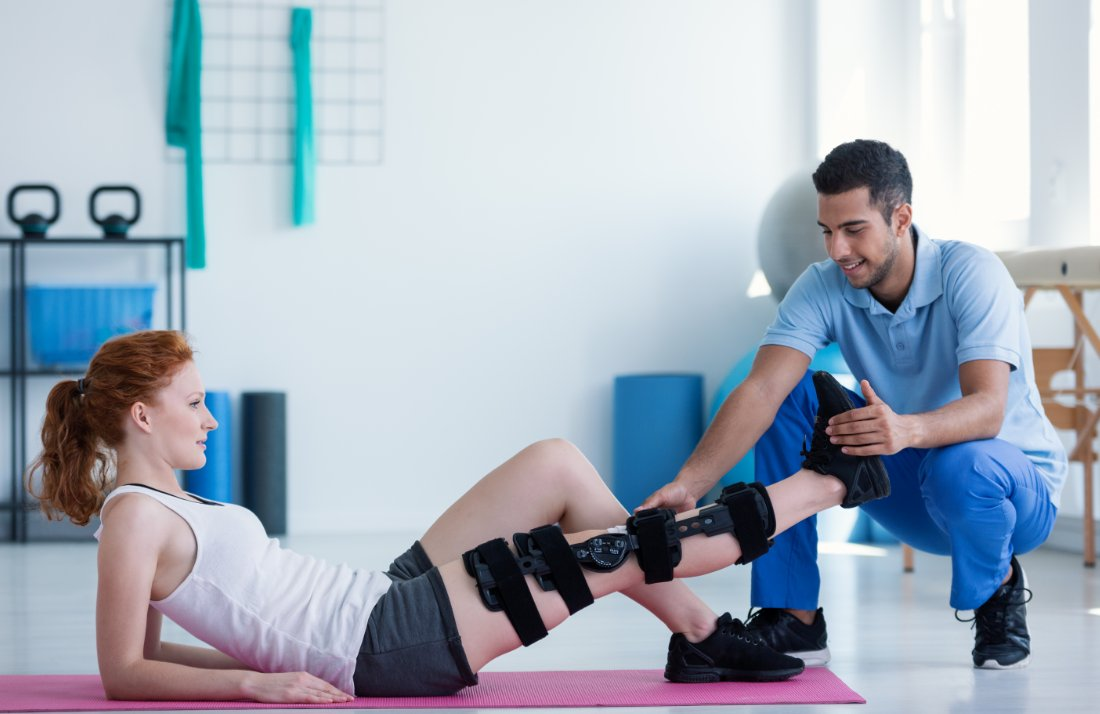
Post-surgery rehabilitation therapy is a set of treatments and exercises designed to help a patient recover after surgery. It focuses on restoring normal body functions, reducing pain, and preventing complications.
After surgery, the body becomes weak. Muscles may lose strength, joints can become stiff, and movement may feel painful or limited. Rehabilitation therapy helps reverse these effects step by step.
This therapy is usually planned and supervised by healthcare professionals such as physiotherapists, occupational therapists, and doctors. The program is personalized, meaning it is designed based on the type of surgery and the patient’s condition.
Why is Rehabilitation Therapy Important After Surgery?
Many people think rest alone is enough after surgery, but too much rest can actually slow down recovery. Post-surgery rehabilitation therapy is important for several reasons:
1. Restores Movement and Flexibility
After surgery, joints and muscles may become stiff. Therapy includes gentle exercises that help the body move again naturally.
2. Reduces Pain and Swelling
Special techniques like controlled movements, massage, and cold or heat therapy can help reduce pain and swelling.
3. Builds Strength
Surgery often weakens muscles. Rehabilitation helps rebuild strength gradually so the body can support daily activities.
4. Prevents Complications
Without movement, patients can develop blood clots, lung infections, or muscle stiffness. Rehabilitation lowers these risks.
5. Improves Independence
The goal is to help patients return to normal life—walking, dressing, working, and doing daily tasks without help.
Different Types of Post-Surgery Rehabilitation Therapy
Rehabilitation is not the same for everyone. It depends on the type of surgery. Here are the most common types:
1. Orthopedic Rehabilitation
This is for bone and joint surgeries like knee replacement, hip surgery, or fracture repair. It focuses on improving mobility and strength.
2. Cardiac Rehabilitation
This is for patients who have undergone heart surgery. It includes light exercise, breathing training, and lifestyle changes.
3. Neurological Rehabilitation
Used for brain or nerve-related surgeries such as stroke recovery or spinal surgery. It focuses on balance, coordination, and motor skills.
4. Post-Abdominal Surgery Rehabilitation
After surgeries like appendix removal or stomach operations, therapy helps restore core strength and digestion comfort.
5. Sports Injury Rehabilitation
Athletes often need rehabilitation after surgery to return to peak performance safely.
Phases of Post-Surgery Rehabilitation Therapy
Recovery happens in stages. Each stage has a different goal.
Phase 1: Immediate Recovery
This begins right after surgery. The main focus is pain control, rest, and very light movement if allowed. Breathing exercises may also be included.
Phase 2: Early Mobilization
At this stage, patients start simple movements like sitting, standing, or walking short distances with help. This prevents stiffness and improves blood circulation.
Phase 3: Strength Building
Once the body is stable, exercises become more active. Muscles are strengthened, and flexibility improves.
Phase 4: Functional Recovery
Patients start returning to daily activities like climbing stairs, driving, or working. Exercises become more challenging.
Phase 5: Full Recovery and Maintenance
The final stage focuses on returning to normal life completely and maintaining fitness to prevent future injuries.
Common Techniques Used in Rehabilitation Therapy
Rehabilitation therapists use different methods depending on the patient’s needs:
- Exercise therapy: Simple to advanced movements to improve strength and flexibility
- Manual therapy: Hands-on techniques to reduce stiffness and pain
- Hydrotherapy: Water-based exercises to reduce pressure on joints
- Electrotherapy: Mild electrical stimulation to improve muscle function
- Breathing exercises: Especially important after chest or abdominal surgery
- Pain management techniques: Heat, cold, or massage therapy
Each technique is carefully chosen to match the patient’s healing stage.
Role of the Patient in Recovery
Recovery is not only the therapist’s job. The patient plays a very important role too. Success depends on consistency and patience.
Patients should:
- Follow all instructions carefully
- Attend therapy sessions regularly
- Do home exercises as recommended
- Eat a healthy diet to support healing
- Get enough sleep and rest
- Avoid overexertion or skipping exercises
Healing takes time, and pushing too hard too soon can delay recovery.
Emotional and Mental Recovery
Post-surgery rehabilitation is not just physical—it is emotional too. Many patients feel frustrated, anxious, or even depressed because they cannot move freely or depend on others.
Therapists and caregivers encourage positive thinking and gradual progress. Small improvements are celebrated to keep motivation high. Support from family and friends also plays a big role in emotional healing.
How Long Does Rehabilitation Take?
There is no fixed time for recovery. It depends on:
- Type of surgery
- Age of the patient
- Overall health condition
- Consistency in therapy
Some people recover in a few weeks, while others may take several months. The key is patience and steady progress.
Benefits of Post-Surgery Rehabilitation Therapy
When done properly, rehabilitation offers many benefits:
- Faster healing
- Less pain
- Better movement
- Lower risk of complications
- Improved confidence
- Return to normal life sooner
It ensures that surgery results are long-lasting and successful.
Challenges in Rehabilitation
Although rehabilitation is helpful, patients may face challenges such as:
- Pain during exercises
- Lack of motivation
- Slow progress
- Fatigue
- Fear of re-injury
However, with proper guidance and encouragement, these challenges can be managed effectively.
Conclusion
Post-surgery rehabilitation therapy is a crucial part of the healing journey. It helps the body recover strength, movement, and confidence after surgery. Without it, recovery may be slow or incomplete.
The process requires time, patience, and commitment. But with the right guidance and effort, patients can return to their normal lives stronger and healthier than before.
Rehabilitation is not just about healing the body—it is about rebuilding life step by step.
Frequently Asked Questions (FAQs)
1. When should rehabilitation therapy start after surgery?
Rehabilitation usually starts within a few hours or days after surgery, depending on the doctor’s advice and the type of operation.
2. Is post-surgery rehabilitation painful?
Some discomfort is normal, but therapists ensure exercises are safe and controlled. Pain should not be severe or unbearable.
3. Can I do rehabilitation at home?
Yes, many exercises can be done at home, but they should be guided by a professional to avoid mistakes or injury.
4. What happens if I skip rehabilitation therapy?
Skipping therapy can slow recovery, cause stiffness, reduce strength, and increase the risk of long-term complications.
5. How do I know if I am recovering well?
Signs of good recovery include reduced pain, improved movement, better strength, and the ability to perform daily activities more easily.