


The Role of Pap Smears in Early Detection of Cervical Cancer
August 4, 2026
The Benefits of Working With a Pain Management Doctor for Long-Term Pain Relief
August 5, 2026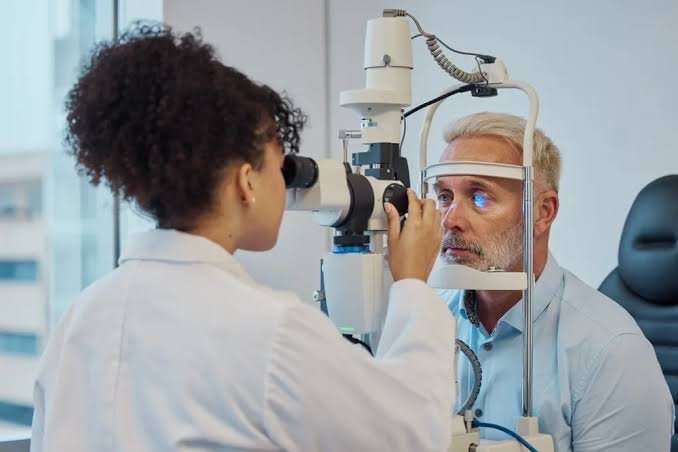
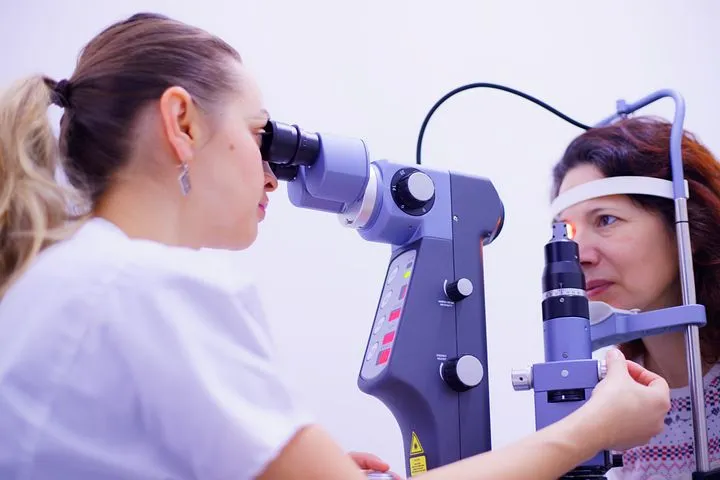
Eye surgeons diagnose and treat conditions like glaucoma and cataracts, and they provide both surgical and non-surgical care. The first visit is intended to establish a baseline of the patient’s visual and ocular health, so it typically includes a medical history review, vision testing, and a comprehensive eye examination. Knowing what to expect helps patients prepare effectively. Here is more information on what to expect for an eye surgery consultation:
What Are Eye Surgeons?
Eye surgeons, formally known as ophthalmologists, are medical doctors who specialize in the health and function of the eye. Their training distinguishes them from optometrists, who perform eye exams and prescribe corrective lenses but do not perform surgery. Ophthalmologists provide both medical and surgical care, and understanding the types of specialists clarifies what to expect from each appointment.
What Services Do They Offer?
Eye surgeons offer a broad range of diagnostic and therapeutic services designed to address both routine and complex eye conditions. These services include:
- Comprehensive eye exams and imaging tests
- In-office procedures and medical treatments
- Surgical interventions
- Long-term condition management
What Conditions Do They Treat?
Ophthalmologists treat a wide spectrum of eye conditions; these conditions range from refractive errors to complex diseases affecting the retina and optic nerve. Glaucoma and cataracts are commonly treated. Both conditions can significantly impair vision if left unaddressed, which makes early diagnosis and intervention beneficial.
Glaucoma is a group of conditions characterized by damage to the optic nerve, and it is often associated with elevated intraocular pressure. It progresses gradually. Since symptoms may not appear until vision loss has occurred, routine monitoring is a valuable part of management. Treatment ranges from medicated eye drops to laser therapy and surgical drainage procedures, depending on the severity of the condition.
Cataracts involve the clouding of the eye’s natural lens. This leads to blurred or dimmed vision, which can interfere with daily functioning. Cataract surgery is a standard eye surgery procedure; it involves removing the clouded lens and replacing it with an artificial intraocular lens. Patients may notice a significant improvement in vision within days of the procedure, although full recovery timelines vary.
What Do First Visits Involve?
A first visit to an eye surgeon follows a structured format designed to gather information and establish a baseline of eye health. Because the depth of assessment involved is greater than a routine optometry visit, appointments may be longer. Arriving with relevant medical records and a list of current medications will help streamline the process, and doing so makes sure the surgeon has the context needed to proceed efficiently.
The appointment usually begins with a review of medical and ocular history. A staff member will ask about the patient’s symptoms, family history of eye disease, and any previous diagnoses or treatments. This information is valuable, as it helps the surgeon determine which diagnostic tests are appropriate for the patient’s specific situation. The clinical examination that follows includes various tests, and the surgeon will determine whether surgery is warranted based on the degree of visual impairment.
Know What To Expect
Eye surgeons provide specialized care for conditions like glaucoma and cataracts that require precise diagnosis and targeted treatment. A first visit involves a structured sequence of history-taking, diagnostic testing, and clinical examination; these steps help the surgeon build a clinical profile of your eye health. Preparation helps make that appointment as productive as possible. If you are experiencing changes in your vision, schedule a consultation with an eye surgeon.
- How Shoulder Pain Can Influence Your Daily Activities
- Exploring the Common Causes of Knee Pain and When to Seek Help
- The Benefits of Working With a Pain Management Doctor for Long-Term Pain Relief
- What To Expect From Your First Visit to an Eye Surgeon
- The Role of Pap Smears in Early Detection of Cervical Cancer