


Questions To Ask Your OBGYN
July 30, 2026Understanding the Role of an Infertility Specialist
July 31, 2026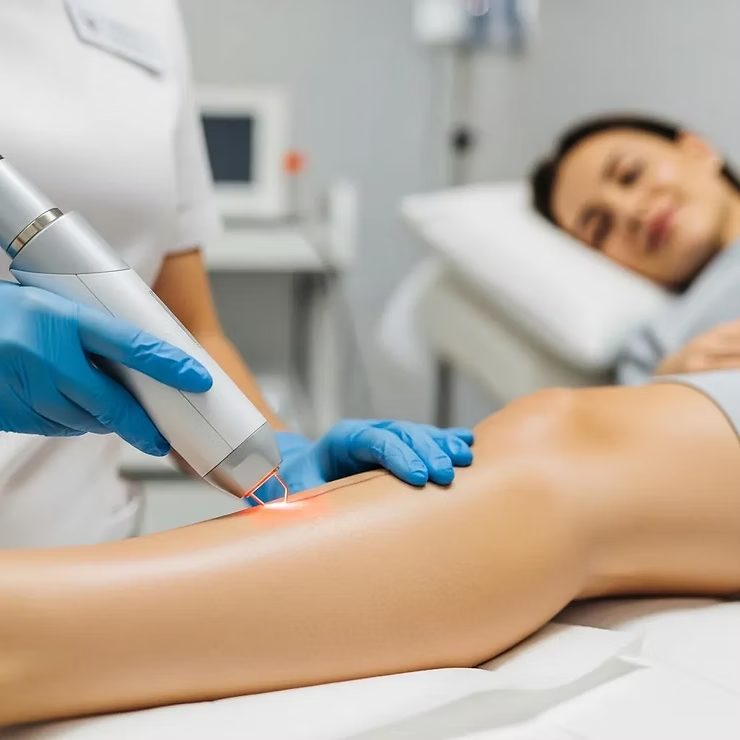
The veins in your body carry blood back toward the heart, and they work constantly to keep circulation moving. When these vessels function well, most people give them little thought. When problems develop, they can affect comfort, appearance, and general well-being. Vein care is the branch of medicine focused on keeping the venous system healthy and treating issues when they arise.
What Is Vein Care?
Vein care refers to the diagnosis, management, and treatment of conditions that affect the veins, particularly those in the legs. Leg veins work against gravity to return blood upward, so they are prone to strain over time. Vein care combines medical evaluation, imaging, and a variety of treatment options to address both cosmetic concerns and functional problems.
Specialists in this field examine how blood flows through the veins, and they may identify areas where circulation is being disrupted. They use tools such as ultrasound to map the venous system and determine the source of a problem. They can then recommend an approach suited to each person’s situation. Vein care spans a wide spectrum, from simple lifestyle guidance and compression therapy to more advanced procedures performed in a clinical setting.
What Is Addressed By It?
Vein care covers several conditions, and these may range from mild to more involved. Understanding these can help you recognize when to seek an evaluation. There are a variety of issues treated by vein specialists, including:
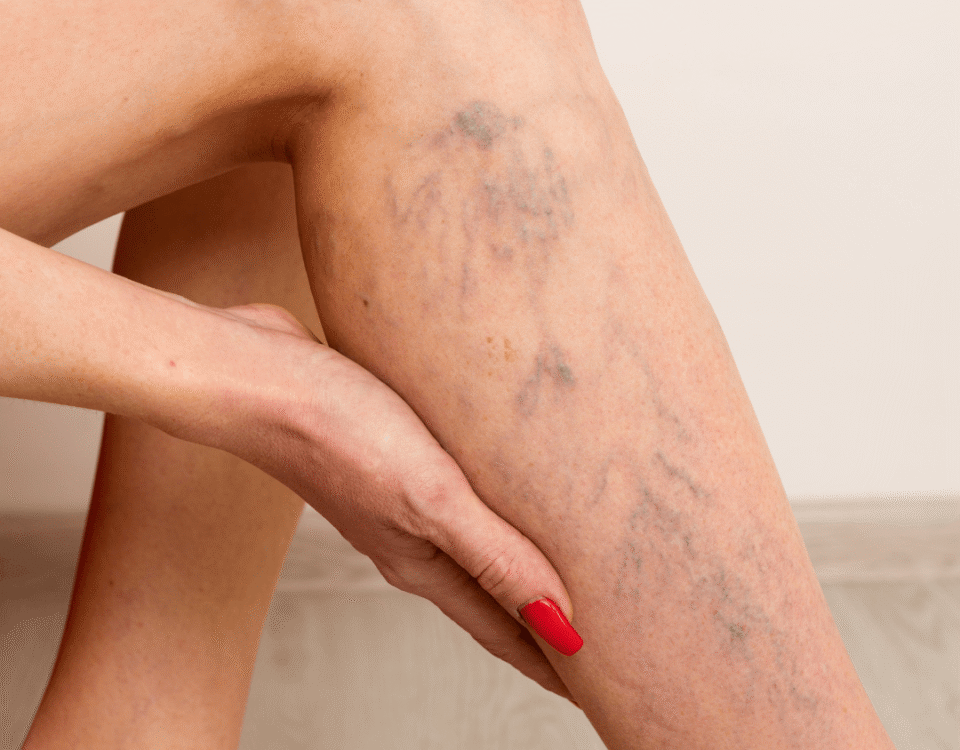
- Varicose Veins: These are enlarged, twisted veins that often appear on the legs. They bulge above the skin surface and can be accompanied by aching, swelling, or a feeling of heaviness.
- Small Spider Veins: Smaller than varicose veins, these thin, web-like clusters appear close to the skin. They are usually a cosmetic concern, but some people find them bothersome.
- Chronic Venous Insufficiency: This occurs when the valves inside the veins do not close properly, allowing blood to pool rather than flow smoothly toward the heart. It can lead to swelling, skin changes, and discomfort over time.
- Deep Vein Thrombosis: A more serious condition involving a blood clot within a deep vein, often in the leg. This requires prompt medical attention.
Recognizing the signs of these conditions early can give specialists a better opportunity to guide treatment and monitor progress.
What Services Fall Under It?
Vein care offers a broad menu of services, many of which are minimally invasive and performed on an outpatient basis. The right choice depends on the type of condition, and it can be based on the severity of the condition. Notable offerings include:
- Sclerotherapy: A solution is injected into the affected vein, causing it to close and gradually fade. This method is commonly used for spider veins and smaller varicose veins.
- Vein Ablation: Using heat generated by laser or radiofrequency energy, this procedure seals a problematic vein from the inside. Blood is then redirected to healthier vessels.
- Compression Therapy: Specially designed stockings apply gentle pressure to the legs, supporting circulation and easing discomfort. This may be used alone or alongside other treatments.
Each service is chosen after a thorough evaluation, allowing care to match individual needs.
Seek Care From Vein Specialists
Venous conditions typically do not improve on their own, and many respond well to timely care. A specialist can assess your symptoms, explain the options, and design a plan that fits your goals. If you notice new symptoms or changes in your legs, reaching out to a vein specialist is a practical step toward better circulation and lasting well-being.
- How Shoulder Pain Can Influence Your Daily Activities
- Exploring the Common Causes of Knee Pain and When to Seek Help
- The Benefits of Working With a Pain Management Doctor for Long-Term Pain Relief
- What To Expect From Your First Visit to an Eye Surgeon
- The Role of Pap Smears in Early Detection of Cervical Cancer