

Post-Surgery Rehabilitation Therapy: A Complete Guide to Healing and Recovery
April 24, 2026
Podiatrist for Foot Pain Treatment: A Complete Guide in Simple Words
April 24, 2026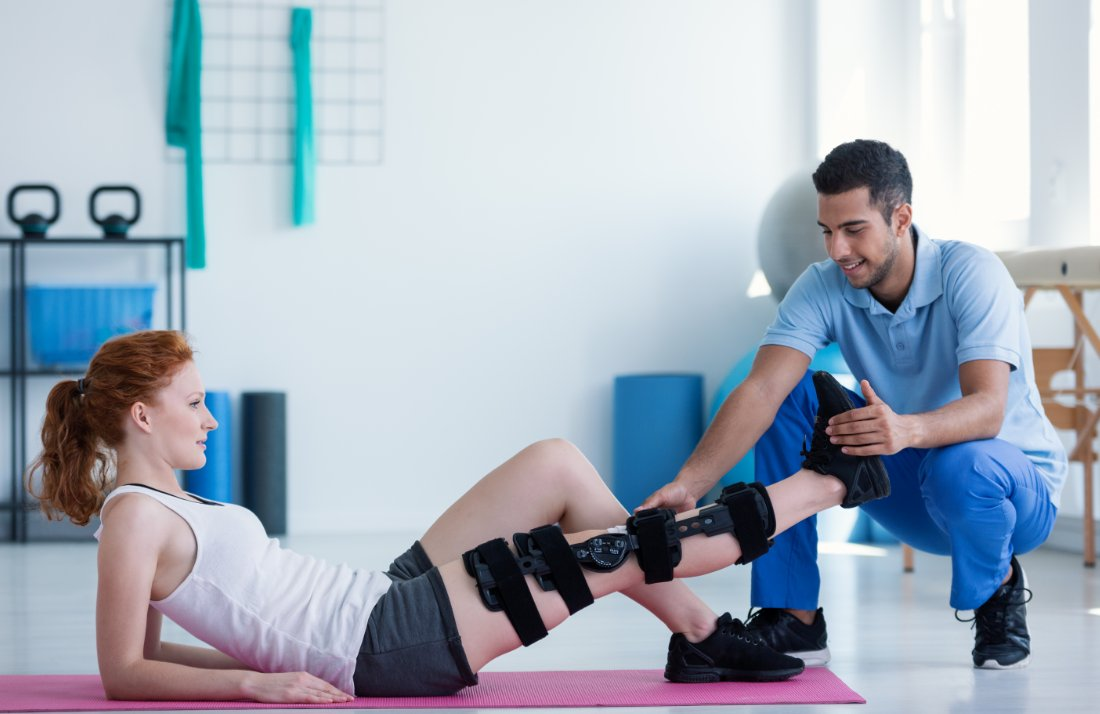
Sports are exciting, competitive, and great for health—but they also come with risks. Whether you are a professional athlete or someone who enjoys playing football on weekends, injuries can happen. Sprains, strains, torn ligaments, and muscle pain are common problems that can stop you from doing what you love.
This is where sports injury physical therapy becomes very important. It is not just about treating pain—it is about helping the body heal properly, regain strength, and return to sports safely without getting injured again.
In this article, we will explore what sports injury physical therapy is, how it works, why it is important, and what you can expect during recovery. Everything is explained in simple and easy language so anyone can understand.
What Is Sports Injury Physical Therapy?
Sports injury physical therapy is a special type of treatment that helps people recover from injuries caused during physical activities or sports. It focuses on improving movement, reducing pain, restoring strength, and preventing future injuries.
A trained professional called a physical therapist designs a recovery plan based on your injury, body condition, and sport type. The goal is not only healing but also making sure you return to your sport stronger and more confident.
Why Is It Important?
Many people think rest alone is enough for sports injuries. While rest is important, it is not always enough. Without proper therapy, the body may heal incorrectly, which can lead to long-term pain or repeated injuries.
Here are some key reasons why sports injury physical therapy matters:
1. Faster Recovery
Therapy helps the body heal in a controlled and safe way, reducing recovery time.
2. Pain Management
Techniques like stretching, massage, and exercises help reduce pain naturally without heavy medication.
3. Prevents Future Injuries
Weak muscles or poor movement patterns often cause repeated injuries. Therapy fixes these issues.
4. Improves Strength and Flexibility
You don’t just recover—you become stronger and more flexible than before.
5. Safe Return to Sports
Therapists ensure you are fully ready before going back to intense physical activity.
Common Sports Injuries Treated in Physical Therapy
Sports injury physical therapy can treat many types of injuries. Some of the most common include:
- Sprained ankles
- Knee injuries (like ACL tears)
- Shoulder injuries
- Hamstring strains
- Tennis elbow
- Back pain
- Muscle tears
- Fracture recovery support
Each injury requires a different treatment plan, depending on severity and location.
How Sports Injury Physical Therapy Works
The process of recovery usually follows several steps. Let’s break them down:
1. Initial Assessment
The therapist first examines your injury. They ask questions like:
- How did the injury happen?
- Where is the pain?
- How severe is it?
They may also check your movement, strength, and flexibility.
2. Pain and Swelling Control
In the early stage, the focus is on reducing pain and swelling. This may include:
- Ice therapy
- Rest and protection
- Gentle movement
- Light massage
3. Restoring Movement
Once pain reduces, the therapist starts gentle exercises to restore normal movement. This prevents stiffness and keeps joints flexible.
4. Strength Training
After movement improves, strengthening exercises are added. These target weak muscles so they can support the injured area properly.
For example:
- Squats for knee recovery
- Resistance bands for shoulder injuries
- Core exercises for back pain
5. Balance and Coordination
Athletes need good balance and control. Therapy includes exercises that improve coordination so the body moves safely during sports.
6. Sport-Specific Training
In the final stage, you practice movements related to your sport. For example:
- Running drills for football players
- Jump training for basketball players
- Swing practice for tennis players
This ensures you are ready for real-game situations.
Techniques Used in Sports Injury Physical Therapy
Physical therapists use different methods depending on the injury:
- Manual therapy (hands-on treatment)
- Stretching exercises
- Strength training
- Electrical stimulation
- Ultrasound therapy
- Hot and cold therapy
- Massage therapy
- Taping or bracing
Each technique helps the body heal in a different way.
Benefits of Sports Injury Physical Therapy
Sports injury physical therapy offers many benefits beyond healing:
- Improves overall physical fitness
- Builds mental confidence after injury
- Helps athletes understand their body better
- Reduces fear of re-injury
- Encourages healthy movement habits
It is not just treatment—it is education for your body.
Mental Side of Recovery
Injuries don’t only affect the body—they also affect the mind. Many athletes feel frustrated, anxious, or sad when they cannot play.
Physical therapy also helps mentally by:
- Setting small recovery goals
- Tracking progress
- Encouraging safe movement
- Building confidence step by step
A positive mindset can speed up recovery significantly.
How Long Does Recovery Take?
There is no fixed time for recovery. It depends on:
- Type of injury
- Severity
- Age
- Fitness level
- How early treatment begins
Minor injuries may take a few weeks, while serious injuries like ligament tears may take months. Consistency in therapy plays a big role in healing speed.
Tips for Better Recovery
If you are going through sports injury physical therapy, these tips can help:
- Follow your therapist’s instructions carefully
- Do exercises regularly, even at home
- Avoid rushing back to sports
- Eat healthy food to support healing
- Get enough sleep
- Stay patient and positive
Remember, slow and steady recovery is better than quick but incomplete healing.
Returning to Sports Safely
One of the biggest mistakes athletes make is returning too early. Even if pain reduces, the body may not be fully ready.
Your therapist will check:
- Strength levels
- Flexibility
- Balance
- Sport-specific performance
Only when everything is stable will you be cleared to return.
Final Thoughts
Sports injury physical therapy is a powerful and essential part of recovery for anyone involved in sports or physical activity. It does more than just heal injuries—it rebuilds strength, improves movement, and protects the body from future damage.
With the right guidance, patience, and effort, most athletes can return to their sport even stronger than before. The key is not to rush the process but to trust it.
Your body is capable of healing—it just needs the right support.
Frequently Asked Questions (FAQs)
1. What is sports injury physical therapy?
It is a treatment process that helps people recover from sports-related injuries by improving movement, strength, and flexibility.
2. How long does physical therapy take for sports injuries?
It depends on the injury. Minor injuries may heal in weeks, while serious ones can take several months.
3. Do I need physical therapy for small injuries?
Yes, even small injuries can get worse without proper treatment. Therapy helps prevent future problems.
4. Is sports physical therapy painful?
Some exercises may feel uncomfortable, but they should not cause sharp pain. Therapists adjust treatment based on your comfort.
5. Can I return to sports without finishing therapy?
It is not recommended. Returning too early increases the risk of re-injury. Always follow your therapist’s advice.