


Chronic Back Pain Treatment Options: A Complete Easy Guide
April 24, 2026
Post-Surgery Rehabilitation Therapy: A Complete Guide to Healing and Recovery
April 24, 2026
Pain is something almost everyone experiences at some point in life. It can come from injuries, aging, poor posture, long working hours, or chronic health conditions. In the past, surgery was often seen as the main solution for severe pain problems. But today, medicine has improved a lot. Many people now prefer non-surgical pain relief treatments because they are safer, less expensive, and require less recovery time.
In this article, we will explore what non-surgical pain relief treatments are, how they work, the different types available, and why they are becoming so popular. The goal is to explain everything in simple and easy language so anyone can understand.
What Are Non-Surgical Pain Relief Treatments?
Non-surgical pain relief treatments are medical or therapeutic methods used to reduce or manage pain without surgery. Instead of cutting or operating on the body, these treatments focus on healing, reducing inflammation, improving movement, and strengthening the affected area.
They are widely used for conditions such as:
- Back pain
- Neck pain
- Joint pain (knee, shoulder, hip)
- Arthritis
- Muscle injuries
- Sciatica
- Sports injuries
The main idea is simple: treat the pain from the root cause while avoiding surgical risks.
Why People Choose Non-Surgical Treatments
There are many reasons why non-surgical pain relief methods are becoming more popular:
1. Less Risk
Surgery always carries risks like infection, complications, or long recovery time. Non-surgical treatments are generally much safer.
2. No Hospital Stay
Most non-surgical treatments are outpatient-based. This means you can go home the same day.
3. Lower Cost
Surgery can be very expensive. Non-surgical methods are often more affordable.
4. Faster Recovery
Many treatments allow people to return to normal life quickly.
5. Natural Healing Support
These methods help the body heal itself instead of forcing results through surgery.
Common Types of Non-Surgical Pain Relief Treatments
There are many different ways to manage pain without surgery. Let’s look at the most common and effective ones.
1. Physical Therapy
Physical therapy is one of the most widely used treatments. It involves exercises, stretching, and movement techniques guided by a trained therapist.
It helps by:
- Strengthening weak muscles
- Improving flexibility
- Reducing stiffness
- Supporting injured areas
For example, someone with back pain may be given exercises to strengthen core muscles, which helps reduce pressure on the spine.
2. Medication Therapy
Doctors often prescribe medicines to control pain and inflammation. These may include:
- Pain relievers
- Anti-inflammatory drugs
- Muscle relaxants
Medication does not cure the cause of pain but helps manage symptoms so patients can function better while healing.
3. Hot and Cold Therapy
This is a simple but very effective method.
- Cold therapy reduces swelling and numbs sharp pain
- Heat therapy improves blood flow and relaxes muscles
Athletes often use this method after injuries or intense workouts.
4. Chiropractic Care
Chiropractic treatment focuses on the spine and joints. A chiropractor uses manual adjustments to improve alignment and reduce pain.
It is commonly used for:
- Back pain
- Neck pain
- Headaches caused by spine issues
Many people feel relief after just a few sessions.
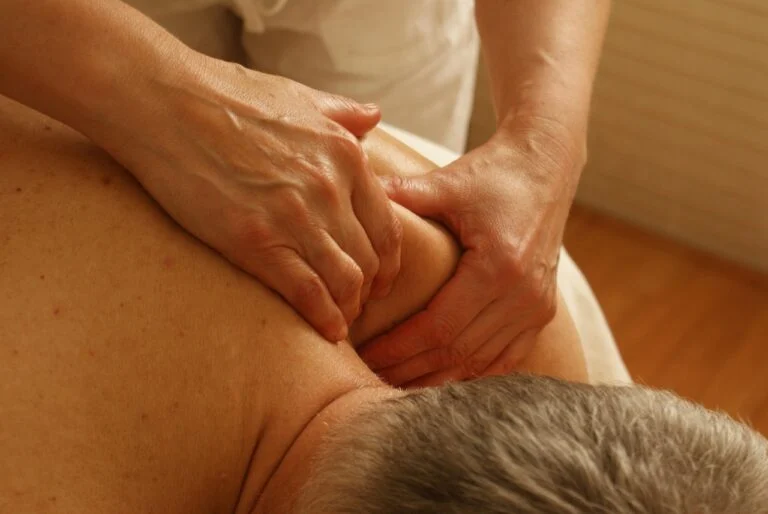
5. Massage Therapy
Massage is not just for relaxation—it is also a powerful pain relief method.
It helps by:
- Reducing muscle tension
- Improving blood circulation
- Decreasing stress
- Supporting healing in soft tissues
Deep tissue massage is especially helpful for chronic pain.
6. Acupuncture
Acupuncture is an ancient treatment that comes from traditional Chinese medicine. It uses very thin needles inserted into specific points on the body.
It is believed to:
- Balance energy flow
- Reduce pain signals
- Improve natural healing
Many people use acupuncture for back pain, migraines, and joint pain.
7. Injection Therapy
In some cases, doctors may use injections to target pain directly. These include:
- Steroid injections
- Nerve blocks
- Joint injections
These treatments reduce inflammation and provide long-lasting relief.
8. Lifestyle Changes
Sometimes the best treatment is changing daily habits. This includes:
- Regular exercise
- Healthy diet
- Proper posture
- Weight management
- Stress control
These changes help prevent pain from returning.
Benefits of Non-Surgical Pain Relief Treatments
Non-surgical treatments offer many advantages beyond just pain relief.
1. Improved Quality of Life
When pain decreases, people can return to normal activities like walking, working, and sleeping comfortably.
2. Long-Term Results
Instead of just masking pain, many treatments focus on the root cause.
3. Personalized Care
Doctors often combine different treatments based on each patient’s condition.
4. No Major Downtime
Most people continue their daily routine while receiving treatment.
Who Can Benefit from These Treatments?
Non-surgical pain relief is suitable for:
- Elderly people with joint pain
- Office workers with neck or back pain
- Athletes with injuries
- People recovering from accidents
- Individuals with chronic conditions like arthritis
Almost anyone experiencing mild to moderate pain can benefit.
Are Non-Surgical Treatments Always Enough?
While non-surgical methods are very effective, they are not always a complete solution. In severe cases—such as major injuries, fractures, or advanced spinal problems—surgery may still be necessary.
However, doctors usually recommend trying non-surgical options first before considering surgery.
Future of Pain Management
The future of pain treatment is moving more toward non-invasive care. New technologies like laser therapy, regenerative medicine, and advanced physical therapy techniques are improving results every year.
The focus is shifting from “fixing with surgery” to “healing naturally.”
Final Thoughts
Non-surgical pain relief treatments have changed the way we deal with pain. Instead of rushing into surgery, people now have many safe and effective options. These treatments focus on healing, improving movement, and reducing discomfort without major risks.
Whether it is physical therapy, massage, medication, or lifestyle changes, each method plays an important role in managing pain. The best approach often combines several treatments based on individual needs.
If you are suffering from pain, exploring non-surgical options may be a smart first step toward a healthier and more comfortable life.
Frequently Asked Questions (FAQs)
1. What is the safest non-surgical pain relief method?
There is no single “best” method for everyone. Physical therapy and lifestyle changes are considered very safe and effective for most people.
2. How long does it take for non-surgical treatments to work?
It depends on the condition. Some people feel relief in a few days, while others may need weeks of consistent treatment.
3. Can chronic pain be treated without surgery?
Yes, many chronic pain conditions can be managed successfully with non-surgical treatments like therapy, medication, and acupuncture.
4. Are non-surgical treatments expensive?
Generally, they are more affordable than surgery, though costs vary depending on the type of treatment and location.
5. Do I need a doctor’s prescription for these treatments?
Some treatments like physical therapy or massage may not require a prescription, but medications and injections usually need a doctor’s approval.