


Medical Tips for a Healthy Lifestyle: A Simple Guide to Better Living
April 24, 2026
Treatment for Acid Reflux and GERD: A Simple, Complete Guide
April 24, 2026
Stomach pain is one of the most common health problems people experience in their daily lives. It can happen suddenly or slowly, and it may feel mild or severe. Sometimes it goes away on its own, but in many cases, it keeps coming back or becomes worse. When this happens, it is important to consult a specialist called a gastroenterologist.
In this article, we will explain in simple and clear language what a gastroenterologist does, why you may need one for stomach pain, how to choose the best gastroenterologist, and what to expect during your visit. We will also include helpful tips and FAQs to make everything easy to understand.
What is a Gastroenterologist?
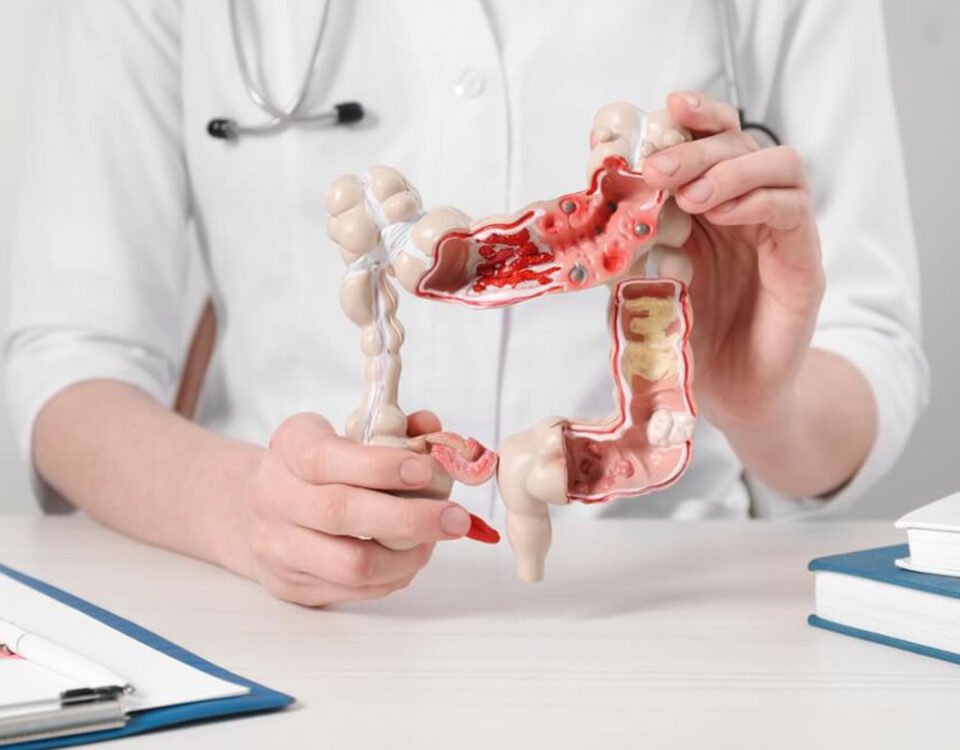
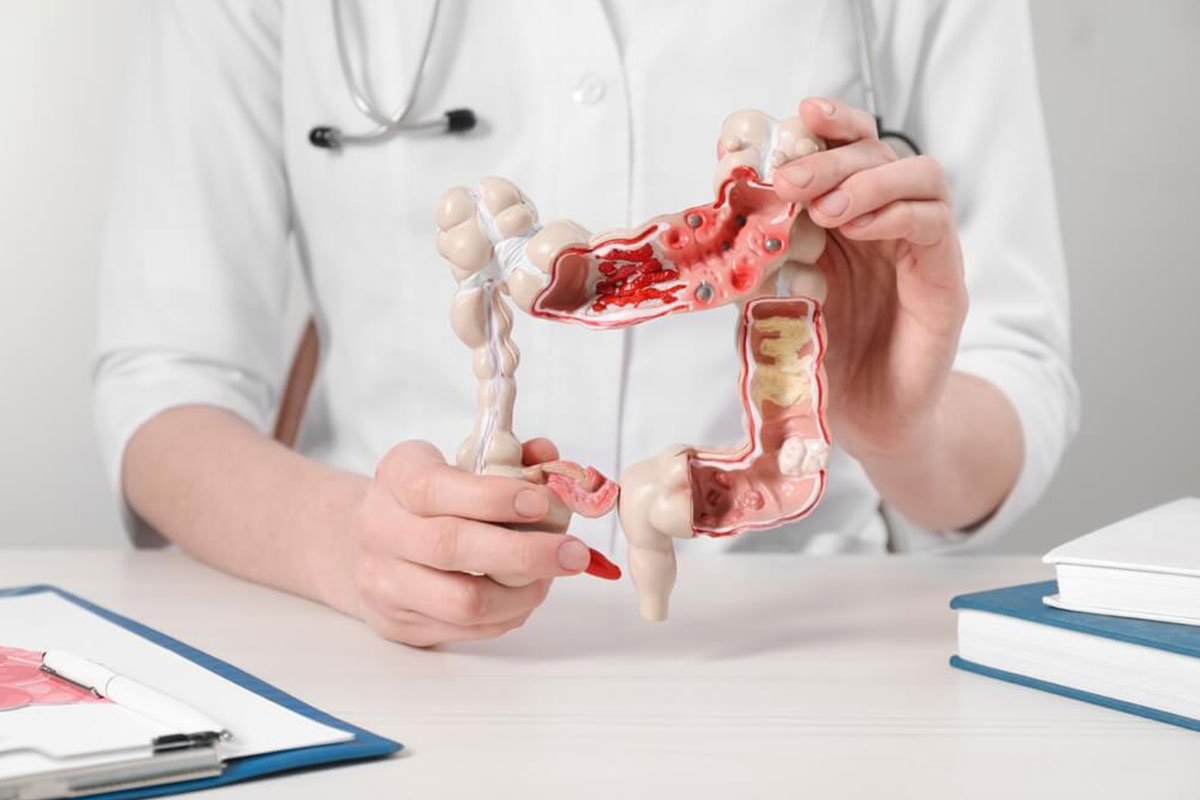
A gastroenterologist is a doctor who specializes in the digestive system. This includes:
- Stomach
- Intestines (small and large)
- Liver
- Pancreas
- Esophagus (food pipe)
- Gallbladder
These doctors are trained to diagnose and treat problems related to digestion. If you are facing frequent stomach pain, bloating, acidity, constipation, or diarrhea, a gastroenterologist is the right specialist to consult.
Why Do People Experience Stomach Pain?
Stomach pain can happen for many reasons. Some are simple and temporary, while others may need medical attention. Common causes include:
1. Gas and Bloating
Eating too fast, drinking fizzy drinks, or consuming certain foods can cause gas buildup, leading to pain.
2. Acidity or Acid Reflux
When stomach acid flows back into the food pipe, it causes burning pain in the chest and stomach area.
3. Food Poisoning
Eating contaminated food can lead to stomach cramps, vomiting, and diarrhea.
4. Constipation
When bowel movements are not regular, it can cause discomfort and pain in the lower abdomen.
5. Gastritis
This is inflammation of the stomach lining, often caused by infection, stress, or certain medicines.
6. Irritable Bowel Syndrome (IBS)
A long-term condition that causes cramps, bloating, and changes in bowel habits.
7. Serious Conditions
Sometimes, stomach pain may be linked to ulcers, liver disease, gallstones, or other digestive disorders.
When Should You See a Gastroenterologist?
Not every stomach pain needs a specialist. However, you should visit a gastroenterologist if you notice:
- Pain lasting more than a few days
- Frequent or recurring stomach issues
- Blood in stool or vomit
- Unexplained weight loss
- Severe bloating or discomfort
- Difficulty in digestion or swallowing
- Long-term constipation or diarrhea
These signs may indicate a deeper problem that needs proper diagnosis and treatment.
How to Choose the Best Gastroenterologist for Stomach Pain
Choosing the right doctor is very important for proper treatment. Here are some simple tips to help you find the best gastroenterologist:
1. Check Experience
Look for a doctor who has many years of experience in treating stomach and digestive problems. Experienced doctors can diagnose issues more accurately.
2. Qualifications Matter
Make sure the doctor is properly qualified in gastroenterology and has completed specialized training.
3. Hospital or Clinic Reputation
A good hospital or clinic usually has better facilities, modern equipment, and trained staff.
4. Patient Reviews
Reading reviews from other patients can help you understand the doctor’s behavior and treatment success.
5. Communication Skills
A good doctor should listen carefully, explain problems clearly, and make you feel comfortable.
6. Diagnostic Facilities
The best gastroenterologists often have access to tests like endoscopy, ultrasound, and blood tests for accurate diagnosis.
What Happens During a Visit?
If you visit a gastroenterologist for stomach pain, here is what usually happens:
1. Discussion of Symptoms
The doctor will ask questions about your pain, eating habits, medical history, and lifestyle.
2. Physical Examination
The doctor may gently check your abdomen to understand the pain location.
3. Tests (If Needed)
Depending on your condition, you may be asked to take tests such as:
- Blood test
- Stool test
- Ultrasound
- Endoscopy
4. Treatment Plan
After diagnosis, the doctor will suggest treatment, which may include:
- Medicines
- Diet changes
- Lifestyle adjustments
- In rare cases, surgery
Tips to Reduce Stomach Pain at Home
While medical treatment is important, you can also follow these simple tips to reduce stomach pain:
- Eat slowly and chew food properly
- Avoid spicy and oily foods
- Drink plenty of water
- Avoid overeating
- Reduce stress through exercise or relaxation
- Maintain a balanced diet with fruits and vegetables
- Avoid skipping meals
These habits can improve digestion and reduce discomfort.
Importance of Early Treatment
Ignoring stomach pain can sometimes lead to bigger health problems. Early diagnosis by a gastroenterologist helps:
- Prevent complications
- Reduce long-term pain
- Improve digestion
- Increase quality of life
That is why it is always better not to delay visiting a specialist if symptoms continue.
Conclusion
Finding the best gastroenterologist for stomach pain is important for your health and comfort. Stomach pain may look simple, but it can be a sign of different digestive problems. A qualified gastroenterologist can properly diagnose the issue and provide the right treatment.
Always pay attention to your body, eat healthy food, and do not ignore repeated stomach problems. With the right doctor and proper care, most digestive issues can be treated effectively.
Frequently Asked Questions (FAQs)
1. What does a gastroenterologist treat?
A gastroenterologist treats problems related to the stomach, intestines, liver, pancreas, and digestive system.
2. Is stomach pain always serious?
No, stomach pain is not always serious. It can be caused by gas, indigestion, or mild infection. However, long-term pain should be checked by a doctor.
3. How do I know if I need a gastroenterologist?
If your stomach pain is frequent, severe, or comes with symptoms like vomiting, blood in stool, or weight loss, you should see a gastroenterologist.
4. What tests does a gastroenterologist perform?
Common tests include blood tests, stool tests, ultrasound, and endoscopy to check the digestive system.
5. Can diet help reduce stomach pain?
Yes, a healthy diet can reduce stomach pain. Avoid spicy, oily foods and eat more fruits, vegetables, and fiber-rich foods.