


Urgent Care for Minor Injuries and Illnesses: A Simple Guide for Everyday Health Needs
April 24, 2026
Prostate Enlargement Treatment Options: A Simple, Complete Guide
April 24, 2026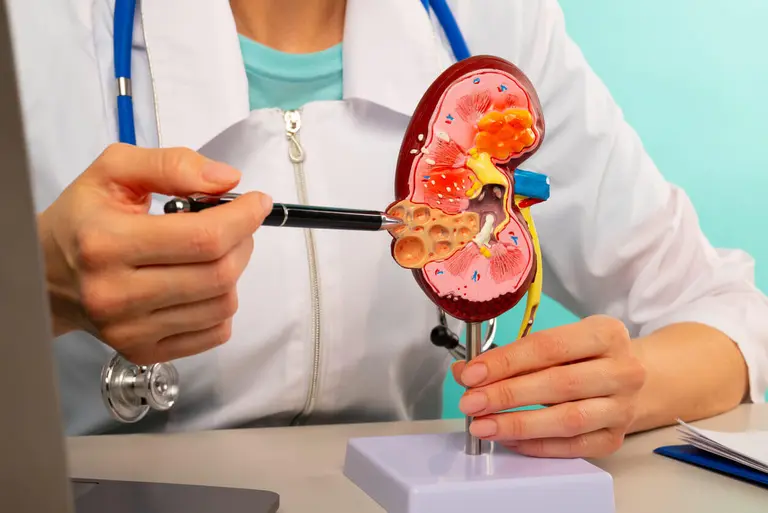
Kidney stones are a painful and common health problem that can affect people of all ages. If you or someone you know has ever experienced kidney stones, you already understand how uncomfortable and distressing they can be. Finding the best urologist for kidney stones treatment is one of the most important steps toward relief, recovery, and preventing future issues.
This article will help you understand kidney stones, why choosing the right urologist matters, and what to look for when selecting the best specialist. Everything is explained in simple, human-friendly language so you can easily follow along.
What Are Kidney Stones?
Kidney stones are hard deposits made of minerals and salts that form inside your kidneys. They can vary in size—from tiny grains to large stones that can block the urinary tract.
These stones form when your urine contains more crystal-forming substances (like calcium, oxalate, or uric acid) than the fluid in your urine can dilute. Over time, these substances stick together and form stones.
Common Symptoms of Kidney Stones
Kidney stones often go unnoticed until they move within the kidney or pass into the ureter (the tube connecting kidney to bladder). When that happens, symptoms may include:
- Severe pain in the back or side
- Pain during urination
- Blood in urine
- Nausea or vomiting
- Frequent urge to urinate
- Cloudy or foul-smelling urine
If you experience these symptoms, it’s important to consult a urologist immediately.
Who Is a Urologist?
A urologist is a medical doctor who specializes in the urinary tract system, including kidneys, bladder, ureters, and urethra. They are trained to diagnose and treat conditions like kidney stones, urinary infections, and other related issues.
When it comes to kidney stones, a skilled urologist can provide both medical and surgical treatments depending on the size and severity of the stones.
Why Choosing the Best Urologist Matters
Not all kidney stone cases are the same. Some stones pass naturally, while others require advanced treatment. Choosing the best urologist ensures:
- Accurate diagnosis
- Proper treatment plan
- Reduced risk of complications
- Faster recovery
- Prevention of future stones
An experienced urologist can also guide you on lifestyle changes to avoid recurrence.
Qualities of the Best Urologist for Kidney Stones Treatment
When searching for the right urologist, consider the following qualities:
1. Experience and Expertise
Look for a doctor who has extensive experience in treating kidney stones. The more cases they have handled, the better they can manage complex situations.
2. Advanced Treatment Options
The best urologists offer modern treatments such as:
- Laser stone removal
- Shock wave lithotripsy (breaking stones using sound waves)
- Minimally invasive surgery
This ensures less pain and quicker recovery.
3. Good Communication
A good urologist listens carefully and explains your condition in simple terms. You should feel comfortable asking questions.
4. Positive Patient Reviews
Check online reviews or ask for recommendations. Happy patients often indicate good care and results.
5. Personalized Care
Every patient is different. The best urologist will create a treatment plan tailored to your specific condition.
Types of Kidney Stones Treatment
The treatment depends on the size, location, and type of stone.
1. Small Stones (Natural Passing)
Small stones can pass on their own with:
- Drinking plenty of water
- Pain relievers
- Medications to relax the ureter
2. Medications
Doctors may prescribe medicines to:
- Reduce pain
- Dissolve certain types of stones
- Prevent new stones
3. Non-Surgical Procedures
Shock Wave Lithotripsy (SWL):
Uses sound waves to break stones into smaller pieces that can pass easily.
Ureteroscopy:
A thin tube is inserted through the urinary tract to remove or break the stone.
4. Surgical Treatment
Percutaneous Nephrolithotomy (PCNL):
Used for large stones. A small incision is made in the back to remove the stone directly.
How to Find the Best Urologist Near You
Here are some simple tips:
- Ask your family doctor for referrals
- Search online with reviews and ratings
- Visit hospital websites
- Ask friends or family for recommendations
- Check qualifications and certifications
Don’t hesitate to consult more than one doctor before making a decision.
Questions to Ask Your Urologist
Before starting treatment, ask:
- What type of kidney stone do I have?
- What treatment do you recommend and why?
- Are there any risks involved?
- How long will recovery take?
- How can I prevent future stones?
These questions help you feel more confident and informed.
Tips to Prevent Kidney Stones
Prevention is always better than treatment. Here are some simple tips:
- Drink at least 8–10 glasses of water daily
- Reduce salt intake
- Avoid excessive intake of oxalate-rich foods (like spinach)
- Eat balanced meals
- Limit sugary drinks
- Maintain a healthy weight
Following these habits can significantly lower your risk.
Importance of Early Treatment
Ignoring kidney stones can lead to serious complications such as:
- Kidney damage
- Infections
- Blocked urine flow
Early consultation with a skilled urologist can prevent these problems and ensure faster recovery.
Final Thoughts
Finding the best urologist for kidney stones treatment is essential for proper care and long-term health. A good urologist not only treats the current problem but also helps prevent future stones through guidance and lifestyle changes.
Don’t ignore symptoms or delay treatment. The sooner you act, the easier and more effective the treatment will be.
Frequently Asked Questions (FAQs)
1. How do I know if I have kidney stones?
You may experience severe pain in your side or back, blood in urine, or pain while urinating. A doctor can confirm it with tests like ultrasound or CT scan.
2. Can kidney stones go away without treatment?
Yes, small stones can pass naturally with enough water and medication. However, larger stones require medical treatment.
3. Is kidney stone treatment painful?
Some treatments may cause mild discomfort, but modern procedures are much less painful and often minimally invasive.
4. How long does it take to recover from kidney stone treatment?
Recovery depends on the treatment type. It can range from a few days to a couple of weeks.
5. Can kidney stones come back after treatment?
Yes, they can return. That’s why following preventive measures and regular check-ups is very important.