



Nuclear Medicine’s Role in Monitoring Disease Progression
July 1, 2026
How Colon Cancer Surgery Can Affect Your Daily Life
July 9, 2026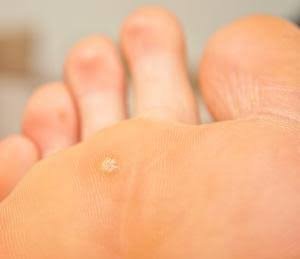
Plantar warts are a common benign foot condition. They develop on the soles of the feet, often in areas that bear the most weight, and they are caused by certain strains of the human papillomavirus (HPV). Because these warts spread through contact with the virus, understanding how they develop can help you recognize potential risk factors. Here’s more information about plantar warts and why individuals get them:
Defining Plantar Warts
Plantar warts are small, rough growths that form on the bottom of the foot. Because pressure from standing and walking pushes them inward, these warts often appear flat rather than raised, and they sometimes blend into the surrounding skin. This makes them harder to notice at first. You might note a thickened patch on the skin; some warts also develop tiny dark specks. Their location sets them apart from warts that develop elsewhere on the body. The sole endures constant mechanical pressure, and that pressure shapes how the growth looks and feels.
Understanding the Underlying Cause
The human papillomavirus, known as HPV, is responsible for plantar warts. When the virus enters through the outer layer of skin, it can establish itself in the warm, moist surface of the foot. Many strains of HPV exist, but only a few produce warts in this location.
Once HPV takes hold in the skin, it triggers excess cell production in that area. This response creates the thick, rough texture characteristic of a plantar wart. The virus behaves differently from person to person, and the time between initial exposure and visible growth often varies. Two people may encounter the same contaminated surface, yet only one develops a wart. This variation reflects individual differences in skin integrity and immune response.
Recognizing Possible Exposure Routes
HPV spreads through direct contact with contaminated surfaces, which explains why certain environments create more opportunity for exposure. The virus can be present on various surfaces and shared objects, and it enters the skin readily when there is a break or softening in the surface. Damp skin and minor cuts both reduce the barrier that the outer layer normally provides.
Several habits and settings may contribute to a higher likelihood of contact, including:
- Walking barefoot on pool decks, in locker rooms, or in communal showers
- Sharing towels, socks, or footwear with another person
- Having small cuts, cracks, or abrasions on the soles of the feet
- Keeping feet wet for extended periods, which softens the skin’s outer layer
- Touching a wart and then making contact with another area of the foot
Protective footwear in shared spaces reduces direct contact with surfaces where the virus may be present. Simple habits are key; they limit the number of opportunities the virus has to enter the skin. Awareness of these routes is the first step toward making more informed choices.
Age is a significant factor associated with plantar warts, as children and teenagers develop them more frequently than adults. Skin condition also plays a practical role. Cracked or very dry skin on the heels creates entry points, while persistently damp skin on the ball of the foot softens the barrier. Both conditions can increase the likelihood that the virus will successfully enter.
Find Treatment for Plantar Warts
Plantar warts develop when HPV enters the skin on the sole of the foot, often through contact with shared surfaces. The appearance of each wart reflects the physical demands of walking and standing, and individual factors like age and skin condition influence how likely a wart is to form. Foot and ankle specialists help treat this condition. Because they understand the causes and characteristics of plantar warts, they can recommend treatment options that fit your needs, including medications and cryotherapy. To learn more about these warts and how to reduce your risk, contact a foot and ankle specialist today.