



Best Pediatrician for Newborn Care: A Complete Guide for Parents
April 24, 2026
When To Talk to Your Doctor About Spinal Cord Stimulation
May 19, 2026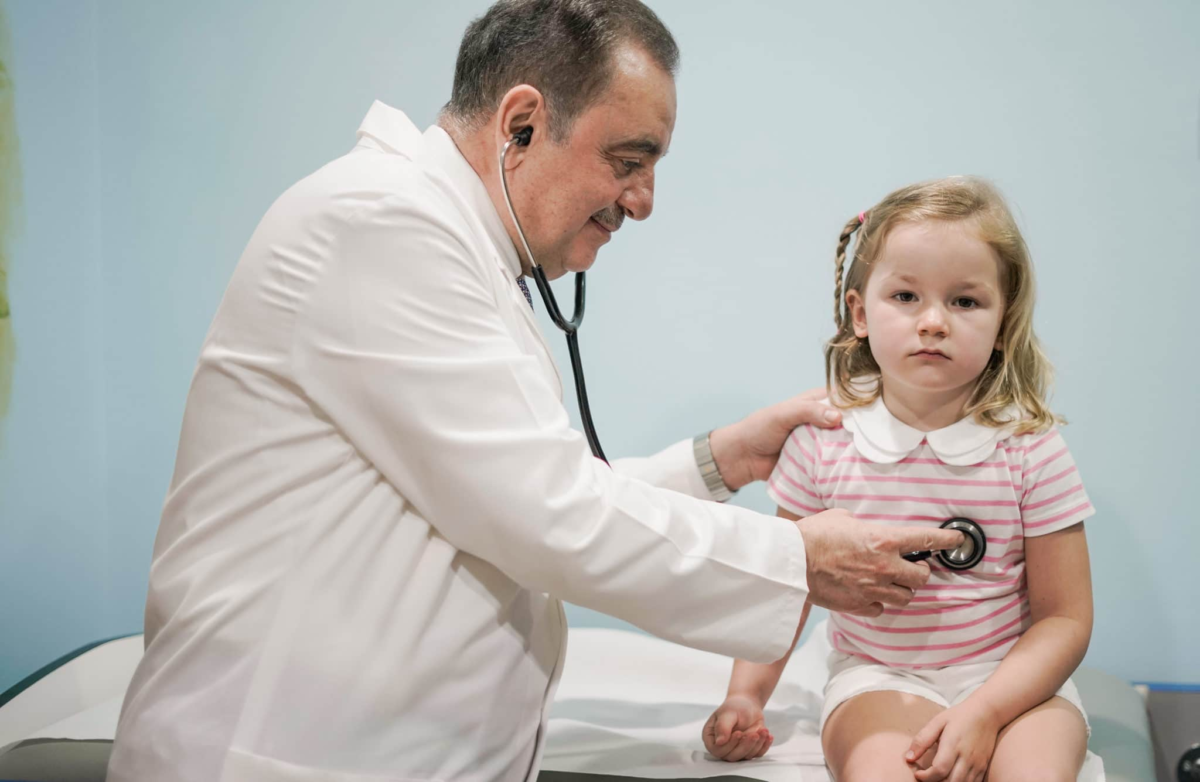
Fever in children is one of the most common reasons parents visit a doctor. It can be worrying, especially when your child feels weak, cries more than usual, or refuses to eat. In most cases, fever is not dangerous—it is the body’s natural way of fighting infection. However, knowing when to manage it at home and when to see a pediatric doctor for fever treatment is very important for your child’s safety and comfort.
This article explains everything in simple language: what causes fever, how pediatric doctors treat it, when you should visit a clinic, and how you can care for your child at home.
What is Fever in Children?
Fever is not a disease. It is a symptom. A child is usually considered to have a fever when their body temperature goes above 100.4°F (38°C).
Fever means the immune system is working hard to fight infections like:
- Common cold or flu
- Ear infections
- Throat infections
- Viral infections
- Urinary tract infections
- Sometimes bacterial infections
In most cases, fever goes away within a few days. But in children, especially infants, it should always be taken seriously.
Why Do Children Get Fever So Often?
Children have developing immune systems. This means they are more likely to catch infections compared to adults. When germs enter their body, the immune system reacts by increasing body temperature.
Common reasons include:
- Exposure to other sick children at school or daycare
- Seasonal flu viruses
- Poor hygiene habits (like touching face with dirty hands)
- Weak immunity in toddlers and infants
Fever is actually a sign that the body is trying to heal itself.
When Should You Visit a Pediatric Doctor for Fever Treatment?
Not every fever requires a doctor. But there are situations where medical help is necessary.
You should visit a pediatric doctor if:
- Your child is under 3 months old and has any fever
- Fever is higher than 102°F (39°C)
- Fever lasts more than 2–3 days
- Your child is very weak or sleepy
- They are not drinking fluids
- They have difficulty breathing
- There are seizures or convulsions
- Rash appears with fever
- Child is crying constantly and cannot be comforted
A pediatric doctor is specially trained to understand children’s health and can identify whether the fever is viral, bacterial, or something more serious.
What Happens During Pediatric Fever Treatment?
When you take your child to a pediatric doctor for fever treatment, the process is usually simple and child-friendly.
1. Medical Check-up
The doctor checks:
- Temperature
- Throat
- Ears
- Breathing
- Skin condition
- Hydration level
2. Understanding Symptoms
The doctor will ask:
- When the fever started
- Other symptoms (cough, vomiting, diarrhea, etc.)
- Child’s activity level
- Eating and drinking habits
3. Diagnosis
In some cases, the doctor may suggest tests like:
- Blood test
- Urine test
- Throat swab
These tests help find the exact cause of fever.
4. Treatment Plan
Treatment depends on the cause:
- Viral fever: Usually rest, fluids, and fever-reducing medicine
- Bacterial infection: Antibiotics may be prescribed
- Dehydration: Oral rehydration solution or IV fluids
- High fever: Paracetamol or ibuprofen (as recommended by doctor)
The goal is not just to lower the fever but to treat the root cause.
Home Care Tips Before Visiting a Doctor
While waiting for medical help or if fever is mild, you can take care of your child at home:
Keep them hydrated
Give:
- Water
- Breast milk (for babies)
- ORS (oral rehydration solution)
- Light soups
Dress lightly
Avoid heavy clothes or blankets. Light cotton clothes help body heat escape.
Give rest
Let the child sleep and rest as much as possible.
Use fever medicine carefully
Only give medicine recommended by a doctor or based on correct dosage instructions.
Lukewarm sponge bath
This can help reduce body temperature gently.
Why a Pediatric Doctor is Important for Fever Treatment
A pediatric doctor is different from a general doctor because they specialize in children’s health. They understand:
- How fever affects infants and toddlers differently
- Safe medication doses for children
- Signs of serious infections in early stages
- Emotional care needed for children during illness
Children cannot always explain how they feel, so a pediatric expert knows how to read symptoms carefully.
Common Mistakes Parents Should Avoid
Many parents panic when a child gets a fever and make mistakes such as:
- Giving adult medicines
- Overdressing the child
- Ignoring dehydration signs
- Using antibiotics without prescription
- Waiting too long for medical help
These actions can sometimes make the situation worse. Always consult a pediatric doctor for proper fever treatment.
How to Prevent Fever in Children
You cannot prevent all fevers, but you can reduce the risk:
- Encourage regular hand washing
- Keep vaccinations up to date
- Maintain clean surroundings
- Provide healthy food (fruits, vegetables, proteins)
- Avoid contact with sick individuals
- Teach children hygiene habits
A strong immune system helps reduce frequent infections.
Emotional Support for Children During Fever
Fever can make children irritable and uncomfortable. Parents should:
- Stay calm and reassuring
- Comfort them with gentle words
- Keep them entertained with quiet activities
- Stay close to reduce anxiety
Emotional care helps recovery faster than many people think.
Conclusion
Fever in children is very common and usually not dangerous, but it should never be ignored. A pediatric doctor for fever treatment plays an important role in identifying the cause, giving the right treatment, and ensuring your child recovers safely.
As a parent, your role is to observe symptoms, provide basic care, and seek medical help when needed. With the right balance of home care and professional treatment, most children recover quickly and return to their normal, active selves.
FAQs
1. When should I worry about my child’s fever?
You should worry if the fever is very high (above 102°F), lasts more than 3 days, or if your child is very weak, dehydrated, or unusually sleepy.
2. Can fever go away without medicine?
Yes, mild viral fever often goes away on its own with rest, fluids, and care. However, always monitor symptoms closely.
3. Is fever dangerous for children?
Fever itself is not dangerous. It is a sign of infection. The danger depends on the cause and how high the temperature is.
4. What is the safest medicine for fever in children?
Paracetamol is commonly used, but only in correct dosage recommended by a pediatric doctor.
5. Should I always visit a pediatric doctor for fever?
Not always. Mild fever can be treated at home, but infants, high fever cases, or long-lasting fever should be checked by a pediatric doctor.