



General Health Consultation Clinic: A Complete Guide to Better Everyday Health
April 24, 2026
Chronic Cough Treatment Doctor: Understanding Causes, Care, and When to Seek Help
April 24, 2026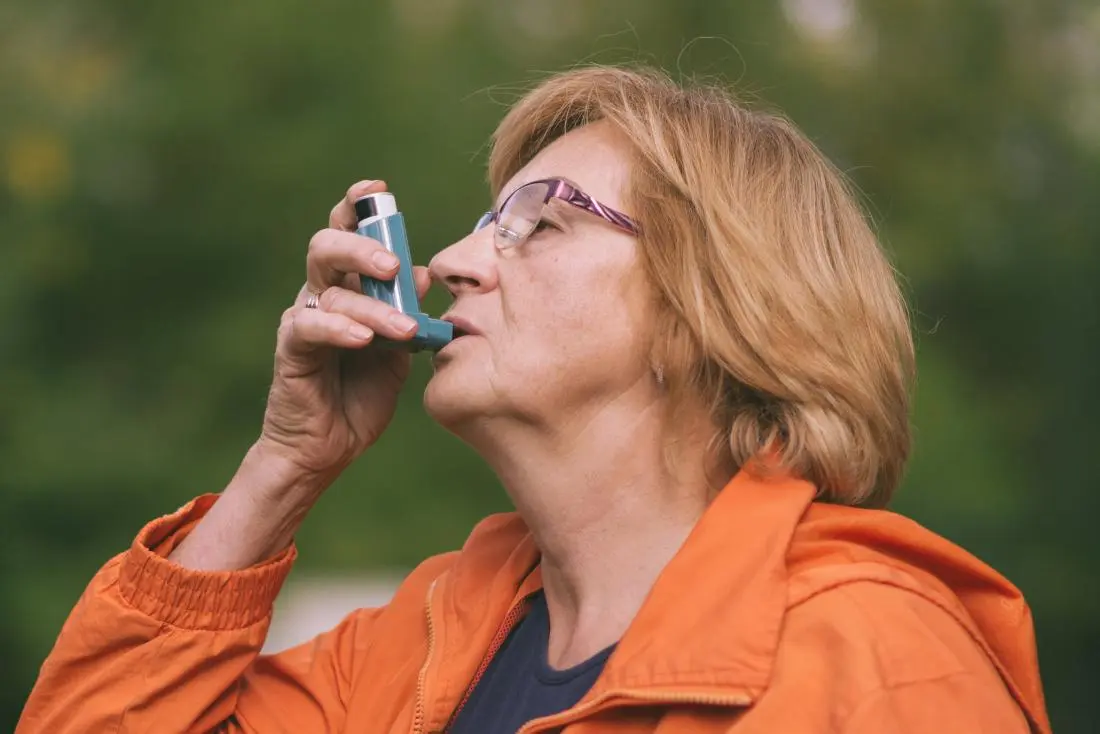
Breathing is something most people do without thinking. But for someone living with asthma or other breathing problems, every breath can feel difficult, tight, or even scary. Asthma is one of the most common long-term breathing conditions in the world, and it affects both children and adults. The good news is that with proper treatment, care, and lifestyle management, most people with asthma can live normal, active lives.
In this article, we will explain what asthma is, what causes breathing issues, and the different treatments available in a very simple and human way. The goal is to help you understand how to manage asthma better and breathe more easily.
What is Asthma?
Asthma is a condition that affects the airways in your lungs. The airways are the small tubes that carry air in and out of your lungs. In a person with asthma, these airways become sensitive and can react to certain triggers like dust, smoke, cold air, or exercise.
When asthma is triggered, three things happen inside the lungs:
- The airways become swollen and inflamed
- The muscles around the airways tighten
- Extra mucus is produced, making it harder to breathe
This causes symptoms like:
- Shortness of breath
- Wheezing (a whistling sound while breathing)
- Chest tightness
- Coughing, especially at night or early morning
Asthma symptoms can be mild or severe. Some people only have symptoms occasionally, while others may struggle daily.
What Causes Asthma and Breathing Problems?
Asthma does not have a single cause. It usually develops due to a combination of genetic and environmental factors. Some common triggers include:
- Dust and dust mites
- Air pollution
- Smoke from cigarettes or fire
- Strong smells or perfumes
- Cold weather
- Exercise or physical activity
- Allergies (like pollen, mold, or pet hair)
- Stress or anxiety
Different people have different triggers. That is why understanding your personal triggers is very important in managing asthma.
Treatment for Asthma and Breathing Issues
There is no permanent cure for asthma yet, but it can be controlled very effectively with proper treatment. The main goal of asthma treatment is to:
- Open the airways
- Reduce inflammation
- Prevent symptoms and attacks
- Improve daily breathing
Let’s look at the main treatment options in detail.
1. Quick-Relief Inhalers
Quick-relief inhalers are also called “rescue inhalers.” These are used when asthma symptoms suddenly appear. They work fast by relaxing the muscles around the airways, making it easier to breathe.
People usually carry these inhalers with them all the time in case of emergencies. They are not meant for daily prevention but for sudden breathing problems.
Common situations when they are used:
- During an asthma attack
- After sudden shortness of breath
- Before exercise (if advised by a doctor)
2. Long-Term Control Medicines
These medicines are taken regularly, even when you feel fine. They help reduce inflammation in the airways and prevent asthma attacks from happening.
They work slowly but are very important for long-term control. If someone stops taking them without medical advice, their asthma may get worse.
These medicines help:
- Reduce swelling inside the airways
- Make airways less sensitive to triggers
- Lower the chance of sudden attacks
3. Inhalers with Steroids
Steroid inhalers are one of the most common treatments for asthma. These are not the same as bodybuilding steroids. They are safe when used correctly under medical guidance.
They help by reducing inflammation in the lungs over time. Most people use them daily to keep asthma under control.
4. Nebulizer Treatment
A nebulizer is a machine that turns liquid medicine into a mist, which is then inhaled through a mask. It is often used for:
- Small children
- Severe asthma attacks
- People who have difficulty using inhalers
Nebulizer treatments help deliver medicine directly into the lungs for faster relief.
5. Allergy Treatment
Since allergies are a common cause of asthma, treating allergies can also improve breathing. This may include:
- Antihistamine medicines
- Allergy-proofing your home
- Avoiding known allergens
- In some cases, allergy shots (immunotherapy)
By controlling allergies, asthma symptoms often become less frequent.
6. Lifestyle Changes for Better Breathing
Medicines are important, but daily habits also play a big role in managing asthma. Some helpful lifestyle changes include:
- Avoiding smoke and polluted air
- Keeping your home clean and dust-free
- Using masks in polluted environments
- Doing light exercise like walking or yoga
- Staying hydrated
- Managing stress through relaxation techniques
Even small changes can make a big difference in breathing comfort.
7. Breathing Exercises
Breathing exercises help strengthen the lungs and improve airflow. Some people with asthma find them very helpful.
Simple techniques include:
- Deep breathing slowly through the nose
- Pursed-lip breathing (breathing out slowly through tight lips)
- Diaphragmatic breathing (breathing using the stomach area)
These exercises do not replace medicine but can support better control.
8. Emergency Care for Severe Asthma
Sometimes asthma can become severe and dangerous. Signs of a serious attack include:
- Extreme difficulty breathing
- Cannot speak full sentences
- Lips or face turning blue
- No relief from inhaler
In such cases, emergency medical care is needed immediately. Quick action can save lives.
Living a Normal Life with Asthma
Asthma may sound serious, but with proper treatment, most people live completely normal lives. Many athletes, students, and professionals have asthma but still perform daily activities without limitations.
The key is:
- Taking medicines regularly
- Avoiding triggers
- Monitoring symptoms
- Following doctor advice
With good care, asthma becomes a manageable condition instead of a life-limiting one.
Final Thoughts
Asthma and breathing issues can feel frightening, especially during an attack. But modern medicine offers many effective treatments that help people breathe better and live healthier lives. From inhalers to lifestyle changes, every step plays an important role.
The most important thing is awareness. When you understand your condition, you can control it better and reduce its impact on your life. Breathing should feel natural and easy—and with the right care, it can be.
FAQs
1. Can asthma be completely cured?
No, asthma cannot be fully cured, but it can be controlled very well with proper treatment and care.
2. What is the fastest treatment for asthma attacks?
Quick-relief inhalers are the fastest way to open airways during an asthma attack.
3. Is exercise safe for people with asthma?
Yes, exercise is safe and even helpful, but it should be done carefully and sometimes with medical advice.
4. Can asthma get worse with age?
Asthma can change over time. For some people it improves, while for others it may become more sensitive if not managed properly.
5. What foods help improve asthma?
There is no special “cure food,” but a healthy diet with fruits, vegetables, and good hydration can support lung health.