


Podiatrist for Foot Pain Treatment: A Complete Guide in Simple Words
April 24, 2026
Family Doctor for Regular Checkups: Why They Matter for Your Long-Term Health
April 24, 2026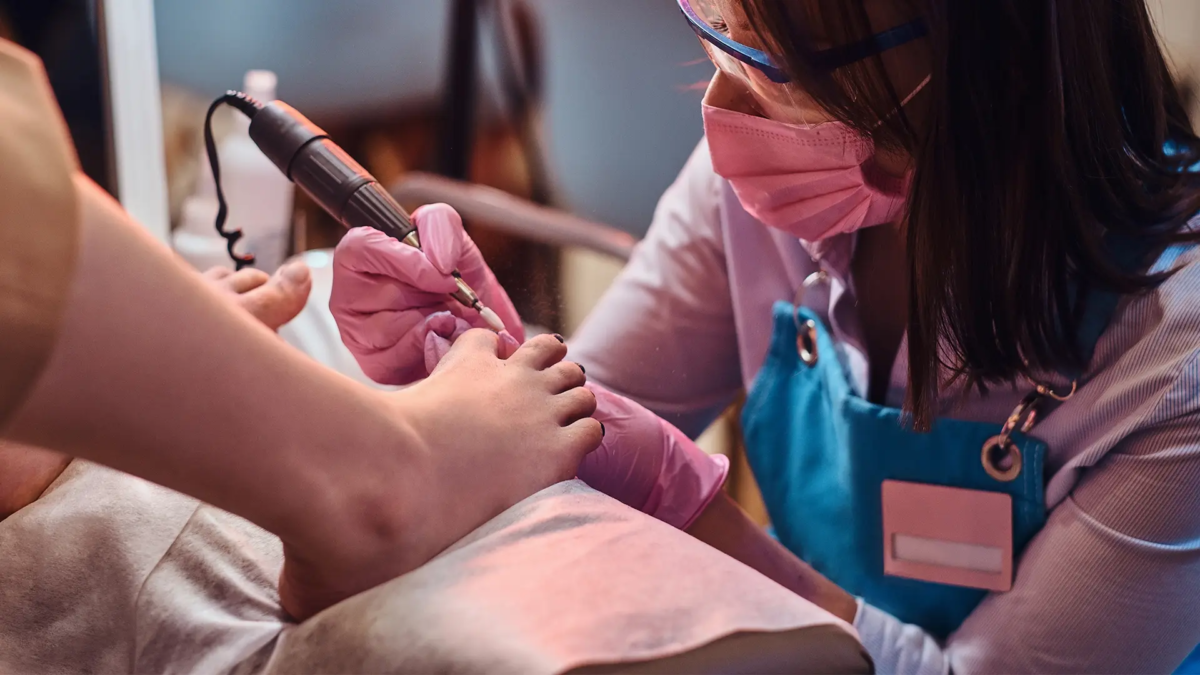
An ingrown toenail may look like a small problem, but anyone who has experienced it knows how painful and frustrating it can be. It can affect walking, wearing shoes, and even daily comfort. When home remedies are not enough, visiting an ingrown toenail treatment clinic becomes the safest and most effective solution.
In this article, we will explain what an ingrown toenail is, why it happens, how clinics treat it, and what you can expect during recovery. Everything is written in a simple, human-friendly way so you can easily understand and make the right decision for your foot health.
What Is an Ingrown Toenail?
An ingrown toenail occurs when the edge or corner of a toenail grows into the surrounding skin instead of growing straight outward. This most commonly affects the big toe.
At first, it may feel like mild discomfort, but if ignored, it can become painful, swollen, and even infected. The skin around the nail may become red, warm, and tender to touch.
In some cases, pus or fluid may also appear, indicating infection. That is when professional treatment becomes necessary.
Why Do Ingrown Toenails Happen?
There are several common reasons why ingrown toenails develop:
1. Improper Nail Cutting
Cutting toenails too short or rounding the edges can cause the nail to grow into the skin instead of outward.
2. Tight Footwear
Shoes that squeeze the toes together put pressure on nails and encourage abnormal growth.
3. Injury
Stubbing your toe or repeated pressure from sports can damage the nail and cause it to grow incorrectly.
4. Genetic Factors
Some people naturally have curved or thick nails, making them more prone to ingrown toenails.
5. Poor Foot Hygiene
Sweaty or unclean feet can increase the risk of infection around the nail.
When Should You Visit an Ingrown Toenail Treatment Clinic?
Not every ingrown toenail needs a clinic visit at the beginning. Mild cases can sometimes be managed at home. However, you should visit a clinic if you notice:
- Severe pain while walking or wearing shoes
- Swelling or redness around the nail
- Pus or signs of infection
- Repeated ingrown toenails
- No improvement after home care
A professional clinic can stop the problem from getting worse and provide long-lasting relief.
What Happens at an Ingrown Toenail Treatment Clinic?
Many people feel nervous before visiting a clinic, but the process is usually simple, quick, and almost painless.
1. Initial Examination
The doctor or foot specialist will first examine your toenail to understand how severe the condition is. They will check for infection, swelling, and nail growth direction.
2. Cleaning the Area
The affected toe is cleaned and sterilized to prevent infection.
3. Numbing the Toe
A local anesthetic is often used so you don’t feel pain during the procedure.
4. Nail Treatment Options
Depending on the severity, the clinic may use one of the following treatments:
Partial Nail Removal
Only the ingrown portion of the nail is removed. This is the most common treatment.
Full Nail Removal
In severe cases, the entire nail may be removed to allow proper healing.
Nail Bed Treatment
Sometimes a chemical or minor procedure is used to prevent the nail from growing back incorrectly.
5. Dressing the Toe
After treatment, a clean bandage is applied, and aftercare instructions are given.
Benefits of Visiting an Ingrown Toenail Treatment Clinic
Choosing professional care offers several advantages:
Fast Pain Relief
Most patients feel immediate relief after the procedure.
Infection Control
Clinics use sterilized tools and medical techniques to prevent or treat infections.
Long-Term Solution
Treatments are designed to reduce the chance of the problem returning.
Safe and Clean Procedure
Professional care ensures minimal risk and proper healing.
Recovery After Treatment
Healing time depends on the type of procedure, but most people recover within a few days to a couple of weeks.
Here are some simple recovery tips:
- Keep the toe clean and dry
- Change bandages as instructed
- Avoid tight shoes
- Rest and avoid heavy activities for a few days
- Take prescribed medication if needed
Most patients can return to normal activities quickly after treatment.
How to Prevent Ingrown Toenails
Prevention is always better than treatment. Here are some easy ways to avoid ingrown toenails:
- Cut nails straight across, not rounded
- Avoid cutting nails too short
- Wear comfortable shoes with enough toe space
- Keep feet clean and dry
- Protect your toes during sports or physical activities
Simple habits like these can significantly reduce the risk.
Why Choosing the Right Clinic Matters
Not all clinics offer the same level of care. A good ingrown toenail treatment clinic should have:
- Experienced foot specialists
- Clean and hygienic environment
- Modern treatment methods
- Clear aftercare instructions
- Friendly patient support
Choosing the right clinic ensures faster healing and fewer complications.
Emotional Impact of Ingrown Toenails
Although it may seem like a small issue, ingrown toenails can affect your daily life more than expected. Many people feel frustrated because:
- Walking becomes painful
- Wearing shoes becomes uncomfortable
- Sports and activities are limited
- Sleep may be disturbed due to pain
This is why timely treatment is important—not just for physical health, but also for mental comfort and lifestyle.
Final Thoughts
An ingrown toenail may start as a small discomfort, but it should never be ignored. If left untreated, it can lead to infection, increased pain, and long-term nail problems.
Visiting a professional ingrown toenail treatment clinic ensures safe removal, proper healing, and long-lasting relief. With modern medical techniques, treatment is quick, simple, and highly effective.
Taking care of your feet is an important part of overall health. If you notice early signs of an ingrown toenail, don’t wait too long—early treatment is always easier and less painful.
Frequently Asked Questions (FAQs)
1. Is ingrown toenail treatment painful?
Most treatments are not painful because local anesthesia is used. You may feel slight pressure, but no sharp pain during the procedure.
2. How long does it take to heal after treatment?
Healing usually takes a few days to two weeks, depending on the severity and type of treatment.
3. Can ingrown toenails come back after treatment?
Yes, they can return if proper nail care is not followed. However, clinics often perform procedures that reduce recurrence.
4. Can I treat an ingrown toenail at home?
Mild cases can be managed at home, but if pain, swelling, or infection occurs, you should visit a clinic immediately.
5. What should I wear after treatment?
Loose and comfortable footwear is recommended to avoid pressure on the healing toe.