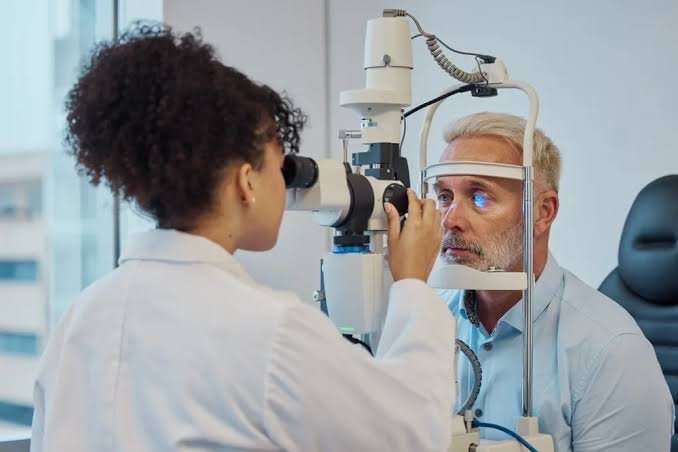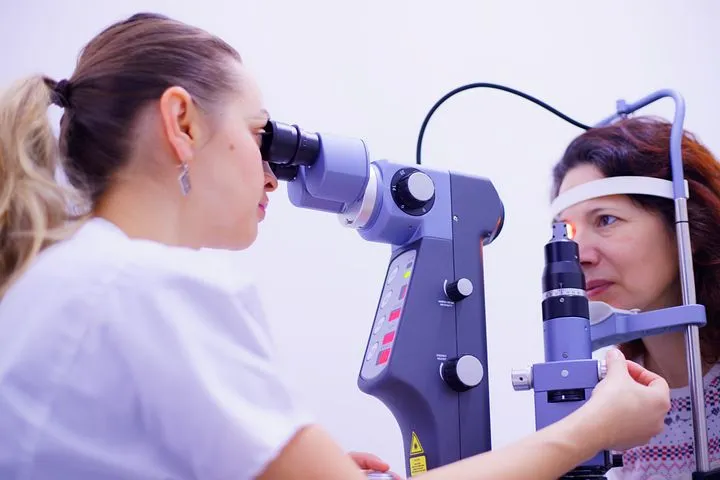


Eye Checkup Clinic Services: A Complete Guide to Healthy Vision
April 24, 2026
Treatment for Back Pain and Spine Issues
April 24, 2026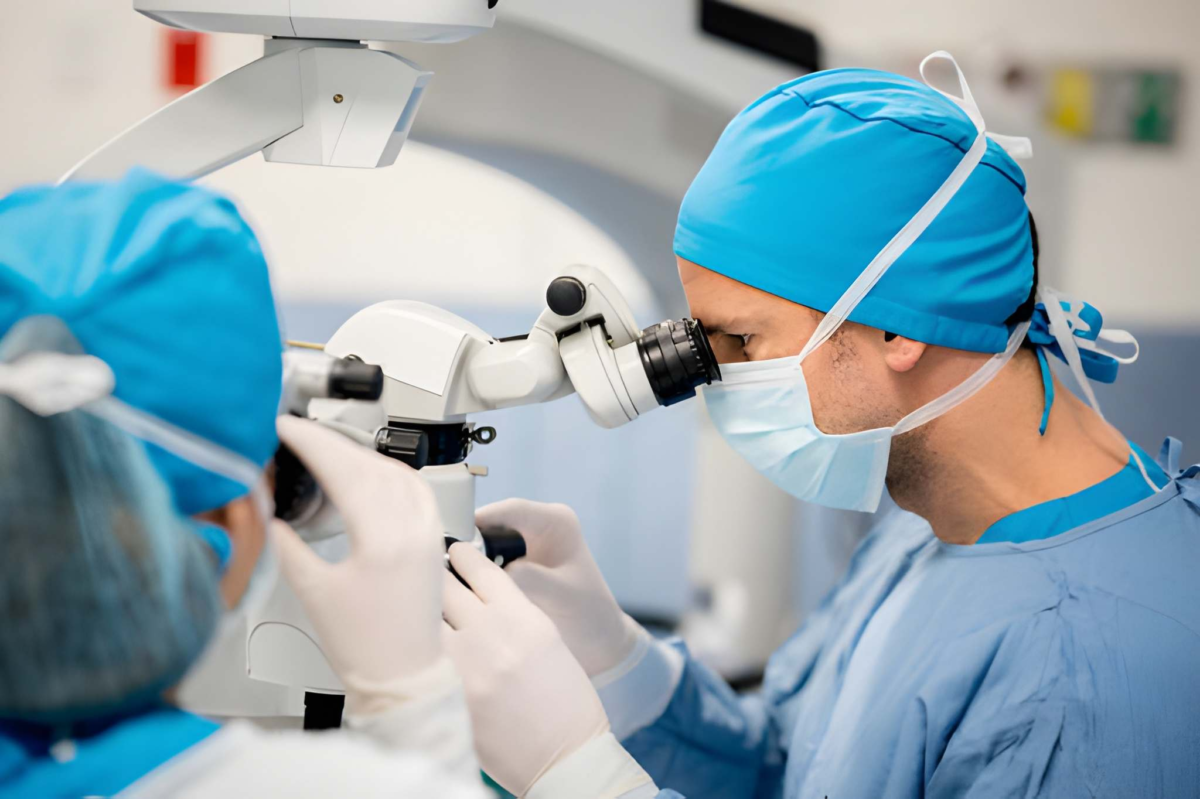
Vision is one of the most important senses in human life. When your eyes are not working properly, even simple daily tasks like reading, driving, or using a phone become difficult. That is why finding the best eye doctor for vision problems is very important. A good eye doctor not only helps you see clearly but also protects your long-term eye health.
In this article, we will explain everything in a simple and human way: what an eye doctor does, how to choose the best one, common vision problems, treatments, and tips for healthy eyes. At the end, you will also find helpful FAQs.
What Does an Eye Doctor Do?
An eye doctor is a medical professional who checks, diagnoses, and treats problems related to vision and eye health. There are different types of eye doctors, and each one has a special role.
1. Optometrist
An optometrist is the doctor you usually visit for regular eye check-ups. They:
- Test your vision
- Prescribe glasses or contact lenses
- Detect common eye problems like near-sightedness or far-sightedness
2. Ophthalmologist
An ophthalmologist is a medical doctor who specializes in eye diseases and surgery. They:
- Treat serious eye diseases like glaucoma or cataracts
- Perform eye surgeries
- Handle advanced vision problems
3. Optician
An optician is not a doctor but helps you:
- Choose and fit glasses or lenses
- Adjust eyewear according to prescription
When searching for the best eye doctor for vision problems, you should understand which type of specialist you need.
Why Choosing the Best Eye Doctor Matters
Your eyes are very sensitive, and small mistakes in treatment can lead to bigger problems. A good eye doctor ensures:
- Accurate diagnosis of your problem
- Proper treatment plan
- Early detection of serious diseases
- Better long-term eye health
If you ignore eye problems or go to an unqualified doctor, your vision may get worse over time.
Common Vision Problems People Face
To understand why you need the best eye doctor, you should know the common vision issues people experience:
1. Near-sightedness (Myopia)
You can see close objects clearly but distant objects look blurry.
2. Far-sightedness (Hyperopia)
You can see far objects clearly but struggle with close-up vision.
3. Astigmatism
Vision becomes blurry or distorted at all distances due to irregular eye shape.
4. Presbyopia
A natural age-related condition where it becomes hard to focus on close objects.
5. Dry Eyes
Eyes feel itchy, burning, or tired due to lack of proper lubrication.
6. Cataracts
Clouding of the eye lens that can lead to blurry vision.
7. Glaucoma
A serious condition that damages the optic nerve and can cause blindness if untreated.
A skilled eye doctor can detect and treat these problems early.
How to Choose the Best Eye Doctor for Vision Problems
Finding the right eye doctor is very important. Here are some simple tips:
1. Check Qualifications
Make sure the doctor is certified and has proper medical training.
2. Experience Matters
A doctor with years of experience is more likely to diagnose problems correctly.
3. Good Patient Reviews
Read what other patients say about the doctor. Positive reviews usually mean good service.
4. Modern Equipment
The best eye doctors use updated machines for accurate testing.
5. Clear Communication
A good doctor explains your condition in simple language and answers your questions.
6. Range of Services
Choose a doctor who offers complete eye care, from basic tests to advanced treatment.
When Should You Visit an Eye Doctor?
You should not wait until your vision becomes very bad. Visit an eye doctor if you notice:
- Blurry vision
- Frequent headaches
- Difficulty reading or seeing far objects
- Eye pain or redness
- Trouble seeing at night
- Sudden vision changes
Regular eye check-ups every 1–2 years are also important, even if your vision seems fine.
Treatments Offered by Eye Doctors
The best eye doctor for vision problems can offer different treatments depending on your condition:
1. Glasses and Contact Lenses
The most common solution for vision correction.
2. Eye Drops
Used for infections, dryness, or allergies.
3. Laser Treatment
Helps correct vision permanently in some cases like myopia.
4. Surgery
Needed for serious conditions like cataracts or glaucoma.
5. Lifestyle Advice
Doctors may suggest changes in diet, screen time, and eye care habits.
Simple Tips for Healthy Vision
Even with the best eye doctor, you should take care of your eyes daily:
- Follow the 20-20-20 rule (look 20 feet away every 20 minutes for 20 seconds)
- Eat foods rich in vitamin A like carrots and spinach
- Avoid excessive screen time
- Wear sunglasses in strong sunlight
- Do not rub your eyes too much
- Get regular eye check-ups
These habits can help maintain good vision for a long time.
Importance of Early Eye Care
Many people ignore small vision problems until they become serious. Early treatment is always better because:
- It prevents permanent damage
- It saves money on expensive treatments later
- It improves quality of life
- It helps children perform better in school
That is why visiting the best eye doctor for vision problems at the right time is very important.
Conclusion
Your eyes are a precious gift, and taking care of them should always be a priority. Choosing the best eye doctor for vision problems ensures that your vision is properly diagnosed and treated. Whether you have minor issues like dryness or serious conditions like glaucoma, a skilled eye doctor can guide you in the right direction.
Do not ignore small symptoms. Regular eye check-ups, healthy habits, and the right medical care can protect your vision for life.
Frequently Asked Questions (FAQs)
1. How do I know if I need an eye doctor?
If you have blurry vision, headaches, or difficulty seeing clearly, you should visit an eye doctor.
2. What is the difference between an optometrist and an ophthalmologist?
An optometrist handles basic eye care and glasses, while an ophthalmologist treats serious diseases and performs surgery.
3. How often should I get my eyes checked?
Adults should have an eye exam every 1–2 years, or more often if they have vision problems.
4. Can eye problems be cured permanently?
Some problems can be corrected permanently with laser treatment or surgery, while others need ongoing care.
5. What foods help improve eyesight?
Foods rich in vitamin A, like carrots, spinach, eggs, and fish, help support healthy vision.