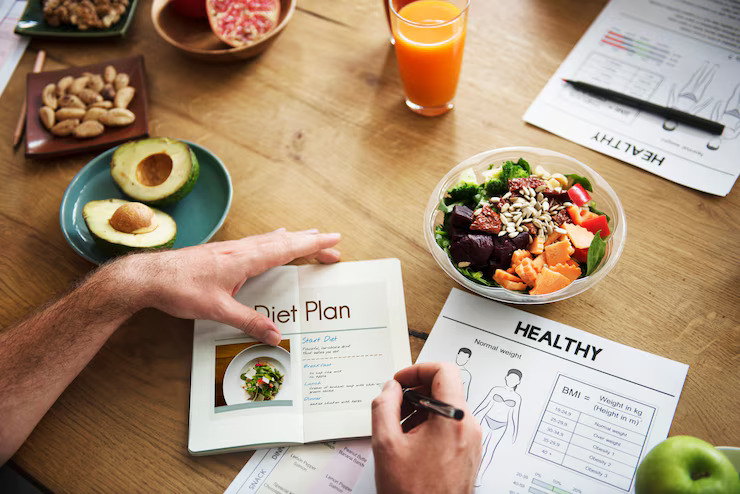



Personalized Diet Plan for Weight Loss: A Simple Guide to Eating Smart for Your Body
April 24, 2026Eye Checkup Clinic Services: A Complete Guide to Healthy Vision
April 24, 2026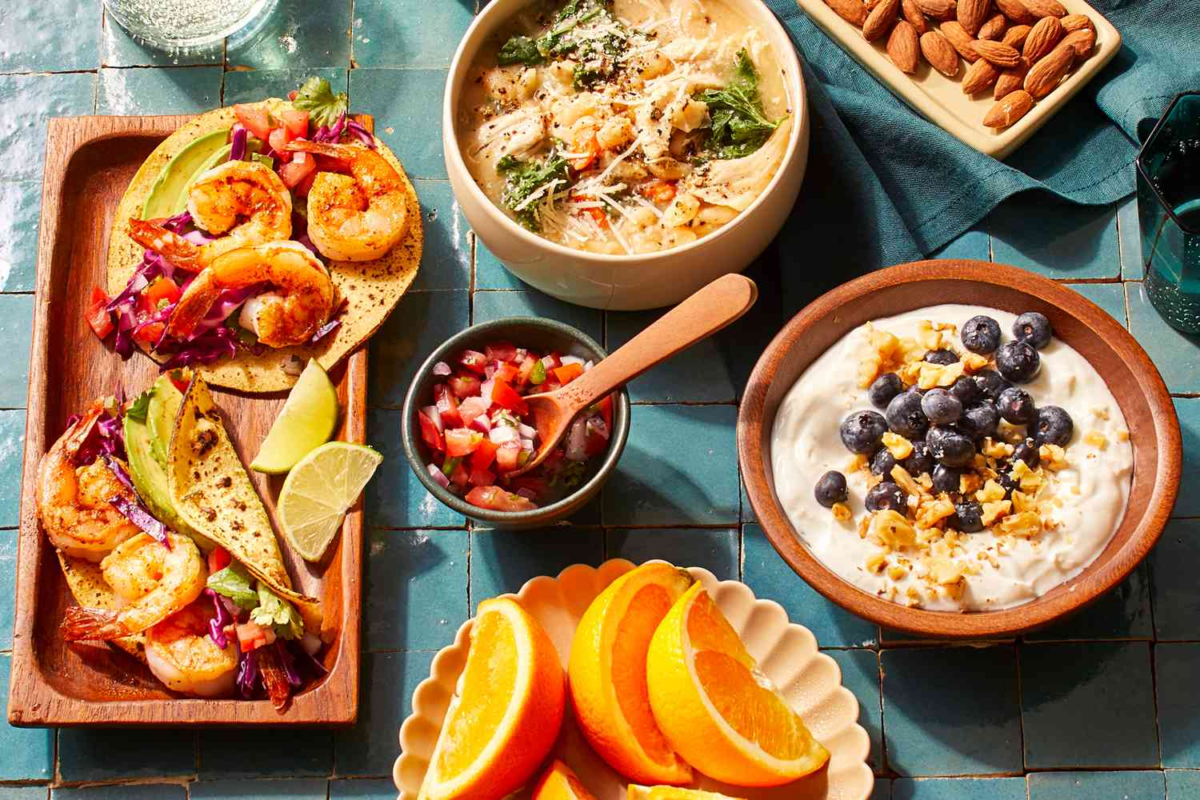
Living with diabetes does not mean you have to give up tasty food or feel constantly restricted. It simply means being more mindful about what you eat, when you eat, and how different foods affect your blood sugar levels. A healthy eating plan for diabetes is not a strict “diet” in the punishment sense—it is a long-term lifestyle approach that helps you feel better, maintain energy, and reduce complications.
This article explains a practical and easy-to-follow eating plan for people with diabetes. The focus is on real food, simple habits, and sustainable choices rather than complicated rules.
Understanding Diabetes and Food
Diabetes is a condition where the body has trouble controlling blood sugar (glucose). This happens either because the body does not produce enough insulin (Type 1 diabetes) or does not use insulin properly (Type 2 diabetes).
Food plays a major role in blood sugar control. When you eat carbohydrates like rice, bread, fruits, or sweets, they turn into glucose in your blood. For people with diabetes, managing these glucose levels is very important.
A healthy eating plan helps by:
- Keeping blood sugar stable
- Reducing sudden spikes and drops
- Supporting weight management
- Protecting heart health
- Improving overall energy levels
Key Principles of a Healthy Eating Plan for Diabetes
Instead of focusing on restrictions, a good diabetes-friendly diet focuses on balance.
1. Choose Complex Carbohydrates
Not all carbs are bad. The goal is to choose slow-digesting carbs that do not raise blood sugar quickly.
Good options include:
- Whole wheat bread
- Brown rice
- Oats
- Quinoa
- Lentils and beans
- Vegetables
Avoid or limit:
- White bread
- Sugary drinks
- Pastries and cakes
- White rice in large portions
2. Include Lean Protein in Every Meal
Protein helps slow down sugar absorption and keeps you full longer.
Healthy protein sources:
- Eggs
- Chicken (grilled or boiled)
- Fish
- Lentils (daal)
- Chickpeas
- Greek yogurt
Protein also helps reduce cravings for sugary snacks.
3. Eat Healthy Fats
Fats are not the enemy; the type of fat matters.
Good fats include:
- Olive oil
- Avocados
- Nuts (almonds, walnuts)
- Seeds (chia, flaxseed)
Avoid trans fats found in fried fast foods and packaged snacks.
4. Increase Fiber Intake
Fiber slows digestion and helps control blood sugar levels.
High-fiber foods:
- Vegetables (spinach, broccoli, carrots)
- Fruits (apples, berries, guava)
- Whole grains
- Legumes
Fiber also improves digestion and supports heart health.
5. Control Portion Sizes
Even healthy foods can raise blood sugar if eaten in large amounts. Using smaller plates and mindful eating helps control portions naturally.
A simple plate method:
- Half plate: vegetables
- One-quarter: protein
- One-quarter: healthy carbs
Sample Healthy Eating Plan for Diabetes (Daily Example)
Breakfast
- Oatmeal with chia seeds and a few nuts
- One boiled egg
- Unsweetened tea or coffee
Mid-morning Snack
- One apple or a handful of almonds
Lunch
- Brown rice or whole wheat roti
- Grilled chicken or lentils
- Mixed vegetable salad
Afternoon Snack
- Yogurt (unsweetened) or cucumber slices
Dinner
- Vegetable soup or stir-fried vegetables
- Grilled fish or tofu
- Small portion of whole grains
Optional Late Snack
- Warm milk (unsweetened) or a few nuts
Foods to Limit or Avoid
Managing diabetes is easier when you reduce foods that cause quick sugar spikes.
Try to limit:
- Sugary drinks like soda and packaged juices
- White rice in large portions
- Sweets, candies, and desserts
- Fried fast food
- Processed snacks like chips and biscuits
- Excess alcohol
It is okay to enjoy these occasionally, but moderation is key.
Hydration and Diabetes
Water is often ignored, but it is very important. Staying hydrated helps the body regulate blood sugar and supports kidney function.
Aim for:
- 6–10 glasses of water daily
- Herbal teas without sugar
- Avoid sugary beverages
Importance of Meal Timing
Eating at regular times helps prevent blood sugar fluctuations.
Tips:
- Do not skip meals
- Eat every 3–5 hours
- Avoid late-night heavy meals
- Try to keep breakfast consistent every day
Lifestyle Tips That Support Healthy Eating
A healthy eating plan works best when combined with other habits:
- Walk 30 minutes daily
- Get enough sleep (7–8 hours)
- Manage stress through breathing or meditation
- Monitor blood sugar regularly
- Stay consistent rather than perfect
Why This Eating Plan Works
This diabetes-friendly eating plan works because it focuses on balance, not deprivation. It includes:
- Slow-digesting carbs to prevent spikes
- Protein for stability and fullness
- Fiber for digestion and control
- Healthy fats for heart protection
Over time, these habits help improve insulin sensitivity and overall health.
Final Thoughts
A healthy eating plan for diabetes is not about removing joy from food. It is about making smarter choices that support your body. Small daily changes—like switching white rice to brown rice or adding vegetables to every meal—can make a big difference over time.
Consistency matters more than perfection. Even if you make mistakes sometimes, what matters is returning to healthy habits again.
FAQs
1. Can people with diabetes eat rice?
Yes, but portion control is important. Brown rice or smaller portions of white rice with vegetables and protein are better choices.
2. Are fruits safe for diabetes?
Yes. Fruits are healthy, but choose whole fruits instead of juices. Eat in moderation, especially fruits with high sugar like mangoes or grapes.
3. Is skipping meals good for diabetes?
No. Skipping meals can cause blood sugar drops or overeating later. Regular meals help maintain balance.
4. Can I eat sweets if I have diabetes?
Yes, but only occasionally and in small amounts. It is better to choose healthier alternatives like fruit or sugar-free desserts.
5. What is the best diet for controlling diabetes?
There is no single “best diet,” but a balanced diet rich in vegetables, lean protein, whole grains, and healthy fats works best for most people.